

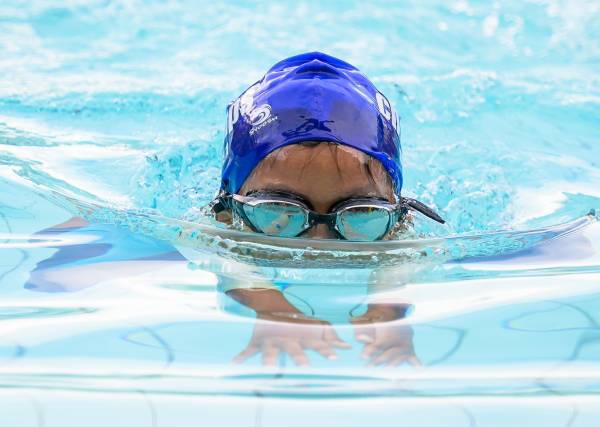
Some children take to the pool like ducklings. Others cling to the edge, arms locked around a parent’s neck, refusing to let even a toe touch the water. If your little one falls into the second camp, you are not alone. Plenty of Singaporean parents have sat poolside watching their child cry at the mere sight of the shallow end, wondering if swimming will ever feel natural to them.
The good news is that water confidence is built, not born. With the right teacher, a calm environment, and a programme that respects a child’s pace, even the most hesitant swimmer can grow into someone who genuinely enjoys the water. At Fitness Champs, this transformation happens regularly, and it starts with understanding what makes a child anxious in the first place.
Understanding Why Children Hesitate
Every child has their own reasons for holding back. Some have had a bad experience, like swallowing water unexpectedly or being pushed into the pool by an older sibling. Others simply find the sensation of water on their face uncomfortable and unfamiliar. A fear of water is common among young children, and it usually softens once they feel safe and supported rather than rushed.
Parents often assume that pushing a child to “just get in” will help them overcome their nerves faster. In reality, this approach tends to backfire, making the child more resistant the next time. Patience, consistency, and small wins tend to work far better than forcing the issue.
Why Structured Lessons Make a Difference
This is where a proper programme, rather than casual family pool time, becomes valuable. Structured lessons give children a predictable routine, familiar instructors, and small, achievable goals that build confidence step by step. Instead of being thrown into deep water, children progress through stages: getting comfortable with splashing, learning to float, practising breath control, and eventually swimming independently.
In Singapore, one widely recognised benchmark for this kind of progression is SwimSafer, a national programme designed to help children (and adults) build water competency in stages. Lessons at Fitness Champs are structured with this kind of staged progression in mind, so children are never asked to attempt something far beyond their current comfort level.
A few things that tend to help nervous swimmers along the way:
- Short, frequent sessions rather than long, infrequent ones
- Instructors who let the child set the pace for the first few lessons
- Praise for small achievements, like putting their face in the water for the first time
- A consistent routine so the pool becomes a familiar, predictable place
What a Typical Journey Looks Like
Most children who start out water-shy follow a fairly recognisable path. In the first few lessons, the goal is simply comfort: getting used to the pool deck, the sound of splashing, and the feeling of water on the skin. There is no pressure to swim yet, only to feel at ease.
Once a child is comfortable being in the water, instructors introduce basic skills like blowing bubbles, kicking with support, and floating on their back. These small skills give children a genuine sense of control, which is often what was missing before. A child who feels in control of their own movements in the water is far less likely to panic when things feel unfamiliar.
Instructors also pay close attention to breathing. Many nervous swimmers hold their breath the moment their face touches water, which only heightens their sense of panic. Learning to breathe rhythmically, in through the mouth and out through the nose, is one of the quieter but more important skills taught in the early stages, and it often makes the biggest difference to how relaxed a child feels overall.
From there, lessons build towards independent swimming. This might take a few weeks for some children and several months for others, and that variation is completely normal. Every child develops water confidence at their own speed, and a good instructor adjusts the pace accordingly rather than sticking rigidly to a fixed timeline.
The Role of Parents in the Process
Parents play a bigger role in this journey than many realise. Children pick up on anxiety, so if a parent seems nervous or overly cautious at the poolside, the child often mirrors that energy. Staying calm, offering encouragement without pressure, and celebrating small progress (even something as simple as putting their chin in the water) can make a real difference.
It also helps to avoid comparing your child’s progress to that of siblings, classmates, or other children in the same lesson. Comparison tends to add pressure rather than motivation, and every child’s timeline looks different.
Some practical ways parents can support a water-shy child outside of lessons include:
- Practising simple water play in a bathtub or shallow paddling pool at home
- Reading books or watching videos about swimming to normalise the experience
- Keeping conversations about swimming positive and low-pressure
- Attending lessons regularly, since consistency reinforces progress
Signs of Progress to Look Out For
Progress in swimming does not always look like a child suddenly swimming a full lap unassisted. Often, it shows up in smaller, quieter ways: a child who used to cry at the pool entrance now walks in willingly, or a child who once refused to let go of the wall attempts a short float on their own.
Recognising and celebrating these smaller milestones helps keep children motivated. It also gives parents a clearer sense of how far their child has actually come, even when the bigger goal of confident, independent swimming still feels some way off.
A few other signs to watch for include a child asking to go back to lessons without being prompted, playing “swimming games” at home in the bath, or talking about their instructor by name with excitement. These moments often signal that the pool has shifted from a source of stress to something closer to a source of fun, which is usually the real turning point in the whole process.
Getting Started
Every confident swimmer was once a beginner, and many started out exactly where your child is now: unsure, hesitant, and a little afraid of the water. What makes the difference is the right environment, the right pace, and instructors who understand how to work with a nervous child rather than against their instincts.
If your child has been reluctant around water, structured, supportive lessons could be the change they need. Fitness Champs offers swimming programmes designed to help children build confidence gradually, at a pace that suits them.