loader image

At What Stage Should Kids Stop Going For Swimming Lessons?

Swimming is often seen as a childhood milestone. Many parents feel a sense of relief once their child can float, kick, or complete a short lap unaided. This naturally leads to a common question: At what stage should kids stop going for swimming lessons? The answer is more nuanced than simply ticking off an early certification or level.

Swimming is a life skill, not just an extracurricular activity. Stopping lessons too early can leave children with a false sense of confidence, potentially putting them at risk in real-life water situations. Understanding the different learning stages, what they truly represent, and how children can track your swimming progress to ensure steady, safe development is essential for making informed decisions.

Understanding The Early Stages Of Swimming Lessons

Most structured swim programmes introduce children to water through progressive stages designed to build confidence, independence, and essential safety skills. Stage 1 and Stage 2 are not simply about becoming comfortable in the pool; their primary objective is to develop water confidence alongside personal and deep-end water safety awareness.

At Stage 1, children begin learning how to move independently in the water while practising safe entry and exit techniques. Skills introduced include forward and backward movement, basic sculling, controlled submersion, and foundational personal water safety skills that help children stay calm and oriented in aquatic environments.

Stage 2 builds on this foundation by strengthening independence and safety competence. Children work towards unassisted step entry into the water, feet-first surface dives, improved sculling, and greater control of body position. A key milestone at this stage is progressing towards continuous swimming of up to 25 metres, reinforcing stamina, coordination, and confidence without reliance on flotation aids.

These early stages are vital in shaping a child’s relationship with water. They lay the groundwork for safe participation in both shallow and deep-water environments.

Is Stage 1 Or Stage 2 Sufficient?

Stage 1 or Stage 2 alone is not sufficient for most children to be considered safe swimmers. While these levels lay important groundwork, they do not equip children with the skills required to cope with real-world scenarios.

At these early stages, children often:

  • Cannot swim long distances independently
  • Rely heavily on flotation aids or instructor support
  • Lack stamina and proper breathing techniques
  • Have limited understanding of water safety beyond the pool

The key issue is that children may appear confident without actually being capable. Parents may assume that basic floating or short-distance swimming is enough, but water environments are unpredictable. Pools vary in depth, open water introduces currents and waves, and emergencies require calm, practiced responses.

The Must-Meet Criteria Beyond Basic Levels

To be considered truly water-safe, children need to meet more advanced criteria than those assessed in Stage 1 or 2. This includes the ability to swim continuously for a meaningful distance, tread water confidently, and recover independently if they lose balance or orientation.

More advanced stages emphasise:

  • Coordinated strokes such as freestyle and backstroke
  • Controlled breathing and endurance
  • Survival skills like treading water and floating for extended periods
  • Situational awareness and safe responses to unexpected conditions

Without these competencies, children remain vulnerable, especially in deeper pools, crowded environments, or natural bodies of water.

Possible Outcomes Of Unsafe Swimming

Stopping swimming lessons too early can have serious consequences. One of the most concerning outcomes is overconfidence. A child who believes they can swim may be more likely to take risks, venture into deeper water, or panic when faced with difficulty.

Unsafe swimming can lead to:

  • Panic-induced exhaustion
  • Inability to return to safety after slipping or falling in
  • Poor judgement around pool edges or deep areas
  • Increased risk during holidays, camps, or school activities involving water

Swimming accidents often occur not because children have no swimming experience, but because their skills are incomplete. Continuous training reduces these risks by reinforcing technique, safety habits, and confidence rooted in ability rather than assumption.

Why Continued Swimming Education Matters

Swimming proficiency develops over time. Just as children do not stop learning maths after basic arithmetic, they should not stop swimming lessons after mastering the bare minimum.

Ongoing lessons help children:

  • Refine technique for efficiency and endurance
  • Build physical strength and coordination
  • Develop discipline, focus, and resilience
  • Learn water safety rules that apply beyond the pool

Regular practice also ensures that skills are retained. Children who stop lessons for long periods may regress, losing confidence or technique, especially during growth spurts that affect coordination.

For families seeking private swimming lessons for children, continuity is particularly valuable. Personalised instruction allows coaches to identify gaps early, tailor progression, and ensure children truly master each stage before moving on.

How Fitness Champs Encourages Learners To Continue

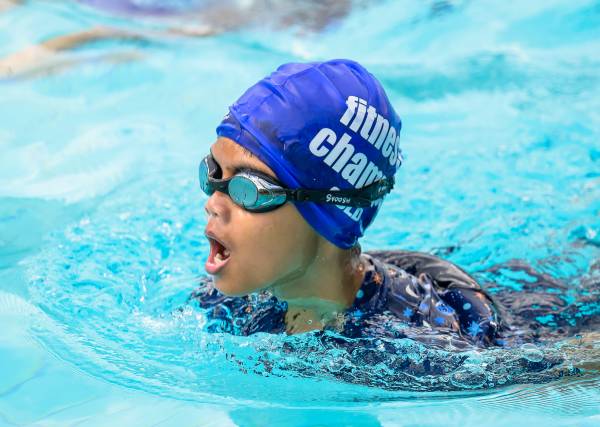
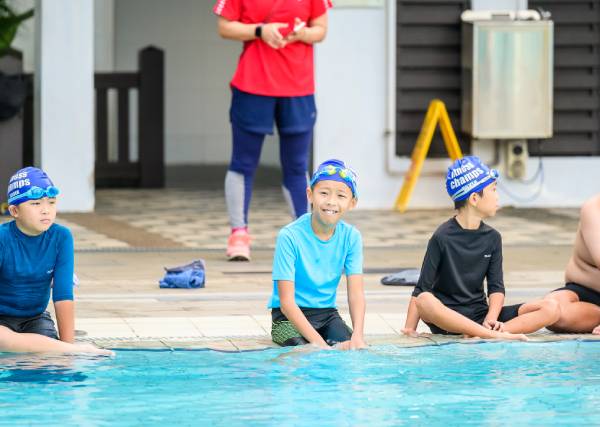
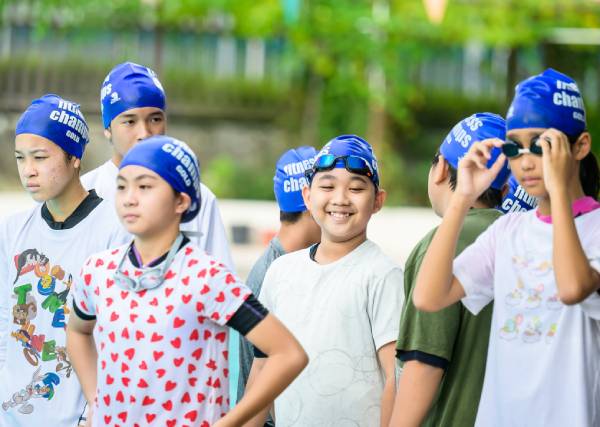
At Fitness Champs, swimming is viewed as a long-term journey rather than a short-term achievement. Learners and participants are encouraged to progress through recognised frameworks such as SwimSafer until they achieve a level that reflects real competence, not just completion.

A key motivator is the Fitness Champs team cap. This milestone represents more than participation; it signifies commitment, consistency, and the attainment of essential swimming skills. Children who work towards this goal develop pride in their progress and a stronger sense of belonging within the swimming community.

Instructors at Fitness Champs focus on:

  • Building strong fundamentals before advancing
  • Reinforcing safety skills at every stage
  • Encouraging perseverance and healthy goal-setting
  • Supporting children emotionally as well as physically

This approach helps children understand that learning does not stop at the first sign of competence.

Alternative Pathways Beyond Standard Swim Levels

Not every child needs to pursue swimming in the same way. Once a solid foundation is achieved, there are multiple routes children can explore depending on interest and ability.

Some may choose to:

  • Continue refining strokes for fitness and technique
  • Transition into swim squads or competitive pathways
  • Learn lifesaving and rescue-related skills
  • Use swimming as cross-training for other sports

Fitness Champs provides opportunities for progression that cater to different goals, ensuring children remain engaged even after completing core programmes. For those enrolled in private swimming lessons, instructors can also help guide families towards the most suitable next step.

When Is It Appropriate To Stop Formal Lessons?

Rather than asking when should kids stop, a better question is what should they be able to do before stopping. Children may be ready to pause formal lessons when they can:

  • Swim confidently and continuously without assistance
  • Tread water calmly for a sustained period
  • Demonstrate awareness of water safety rules
  • React appropriately in unexpected situations

Even then, regular practice and occasional refresher lessons are recommended. Swimming is a perishable skill, and maintaining it is just as important as learning it.

A Thoughtful Approach To Swimming Education

Every child develops at their own pace. Some may reach advanced competency earlier, while others need more time and encouragement. What matters is ensuring that decisions about stopping lessons are based on ability, not assumptions or convenience.

Swimming is an investment in safety, confidence, and lifelong health. With the right guidance and progression, children gain skills that stay with them far beyond childhood.

Conclusion

Deciding when children should stop swimming lessons requires careful consideration of skill level, safety awareness, and long-term confidence. Early stages alone are not enough to ensure true water competence, and stopping too soon can expose children to unnecessary risks.

By encouraging continuous learning, structured progression, and alternative pathways, Fitness Champs supports children in becoming capable, confident swimmers who are prepared for real-world water environments.

Factors That Will Affect The Learning Curve in Adult Swimming

Swimming is a life skill that offers lifelong benefits, from safety and fitness to confidence and mental wellbeing. Yet many adults who decide to learn swimming later in life quickly realise that progress can feel slower compared to children. While this can be frustrating, it is also completely normal. Understanding why adults often take longer to learn swimming helps remove self-doubt and sets realistic expectations for the learning journey.

At Fitness Champs, our adult swimming lessons are designed around these very challenges, recognising that adults learn differently and require a more personalised, patient approach. From breathing control to movement efficiency, several factors influence how quickly adults adapt to the water.

Comfort And Breath Control In The Water

One of the most significant differences between adult and child learners lies in water confidence. Children often approach swimming with curiosity and fewer mental barriers, whereas adults tend to carry fear, caution, or past negative experiences into the pool.

Breath control is a fundamental example. Efficient breathing is essential for staying calm and maintaining proper body position. Confident swimmers are able to blow bubbles smoothly from the nose and mouth for seven to nine seconds without panic. Many adults, however, struggle to exhale fully underwater, leading to tension, breath-holding, and a loss of rhythm.

Another challenge is maintaining a stable glide position. Staying streamlined without kicking or rolling over requires trust in the water and an engaged core. Many adult learners find it difficult to activate their core muscles properly, which causes the hips and legs to sink. This creates the sensation of “fighting the water” rather than floating with it. Children, being lighter and more relaxed, often achieve this naturally with less conscious effort.

Learning to stay elongated and balanced without stiffness takes time, repetition, and reassurance, which is why adult swimming instruction must prioritise comfort before speed.

Body Awareness And Movement Efficiency

Swimming is a full-body skill that requires precise coordination of multiple muscle groups. Adults often struggle not because they lack strength, but because they lack physical awareness of how specific movements should feel in the water.

Years of land-based movement patterns do not always translate smoothly into swimming. Controlling small but essential actions, such as ankle flexibility or hip rotation, can feel unfamiliar and awkward. This makes it harder to execute movements efficiently without straining or risking minor injuries.

At Fitness Champs, instructors focus on helping adult learners understand why a movement is required, not just how to copy it. This approach builds confidence and reduces tension, allowing progress to feel more natural over time.

Common Challenges With Breaststroke Technique

Breaststroke is often perceived as the easiest stroke, but for adults, it can be surprisingly technical. One common issue lies in the kick. Many adult learners instinctively perform a wedge-shaped kick or attempt a heel-to-butt motion without sufficient hip rotation. This limits propulsion and places unnecessary strain on the knees.

Another frequent challenge is ankle flexibility. A proper breaststroke kick requires the ankles to flex outward, creating a strong surface to push against the water. Adults who lack this mobility tend to kick with pointed toes or stiff feet, resulting in minimal forward movement.

Rather than forcing the correct technique immediately, Fitness Champs works progressively to improve mobility and coordination. Dry-land drills, assisted movements, and gradual correction help adult learners build the correct motor patterns safely and effectively.

Freestyle Difficulties Among Adult Learners

Freestyle introduces a different set of challenges, especially for adults who carry tension in their legs. A stiff flutter kick, often described as “chopstick legs”, creates resistance instead of propulsion. This is usually caused by locked knees and rigid ankles.

Some learners bend their knees excessively while kicking, producing a bicycle-like motion that disrupts balance and increases fatigue. Others struggle to relax their ankles, which reduces efficiency and causes the legs to sink.

Addressing these habits requires patience and repetition. By breaking down the stroke into manageable components, adult learners can gradually replace inefficient habits with smoother, more relaxed movements.

The Mental Barrier Of Adult Learning

Beyond physical challenges, adults often face mental barriers that children do not. Fear of embarrassment, comparison with others, or frustration over slow progress can interfere with learning. Adults are more likely to overthink each movement, leading to tension and hesitation.

Children, on the other hand, learn through play and exploration. This difference explains why private swimming lessons for children often appear to produce faster visible results. However, with the right encouragement and teaching style, adults can overcome these mental blocks and rediscover enjoyment in the water.

Encouraging Lifelong Swimming Progress

Learning to swim does not end with mastering one stroke. At Fitness Champs, adult learners are encouraged to keep swimming and continue developing their skills. Advanced programmes such as MAC introduce secondary strokes like backstroke and butterfly, as well as techniques such as somersaults and underwater skills.

These advanced elements not only enhance physical ability but also reinforce confidence and adaptability in the water. Continued progression ensures that swimming remains engaging rather than intimidating.

Supporting Elderly Learners In An Ageing Society

Swimming is one of the most suitable forms of exercise for older adults, offering cardiovascular benefits with minimal joint impact. As Singapore’s population continues to age, the importance of accessible and supportive swimming programmes becomes increasingly clear.

Fitness Champs actively promotes elderly swimming classes that focus on safety, mobility, and confidence. Lessons are adapted to individual needs, emphasising gentle progression and comfort. Swimming helps seniors maintain independence, reduce fall risk, and improve overall quality of life.

By supporting older learners, Fitness Champs plays a role in fostering a healthier, more active ageing population.

Progress Takes Time, And That’s Perfectly Normal

Adults often take longer to learn swimming not because they are incapable, but because their bodies, minds, and experiences differ from those of children. From breath control and body awareness to mobility and confidence, each challenge is part of a unique learning process.

With patient instruction, structured progression, and encouragement, adult learners can achieve remarkable improvements at any age. The key lies in understanding the journey rather than rushing the outcome.

To discover how personalised coaching can support your swimming goals, visit Fitness Champs and explore programmes designed to help every learner move confidently through the water, one stroke at a time.

How Many Swimming Lessons Do Adults Need To Improve?

Swimming is one of those life skills that benefits us well beyond childhood. Whether you’re seeking adult swimming lessons to finally get comfortable in the water, trying to improve technique, or training for fitness or a triathlon, one question always pops up: how many lessons will it take? The honest truth is that there’s no single answer for everyone, but understanding the factors that influence progress can help you set realistic expectations and stay motivated on your journey.

Understanding The Adult Swimming Journey

Learning to swim as an adult is different from learning as a child. Adults often come to lessons with varied goals, from overcoming fear to refining strokes, and this affects how many sessions are needed. Many factors influence your progress, including your comfort in water, physical fitness, consistency, and the quality of instruction you receive.

Starting With The Basics

When you’re just beginning, the first few lessons are about familiarity and confidence. Your instructor will focus on:

  • Feeling comfortable putting your face in the water
  • Floating on your front and back
  • Proper breathing techniques
  • Basic kicking and simple strokes

For complete adult beginners, roughly 8–12 lessons can help achieve these foundational skills. This typically includes floating, breathing, and initial stroke movement.

Remember that these are estimates. Some people catch on faster, while others may need a few extra sessions to feel truly comfortable. Factors like fear of water or lack of prior experience can extend this phase.

Moving Toward Confidence And Proficiency

Once you’ve mastered the basics, your focus shifts to swimming with more confidence and improving technique. This might involve:

  • Refining freestyle and backstroke
  • Learning bilateral breathing
  • Building endurance to swim longer distances
  • Gaining comfort in deeper water

Most adults reach a confident, recreational swimming level within 12–20 lessons if you’re consistent. For example, attending 1–2 sessions per week.

During this phase, you’ll begin to notice improvements in your technique and stamina. Regular practice outside of formal lessons, such as swimming laps or practising drills, dramatically accelerates this process and solidifies muscle memory.

Improving Fitness, Technique And Specialist Skills

If your goals go beyond basic swimming, for example, using swimming as your main form of exercise, mastering multiple strokes, or training for a triathlon, progression continues. More lessons might be needed for:

  • Efficient stroke technique
  • Breathing rhythm for sustained swimming
  • Treading water and turning techniques
  • Endurance training

At this stage, 20–30+ lessons may be beneficial, particularly if you’re aiming for advanced skills or competing in swim events.

This doesn’t necessarily mean you need that many sessions. Instead, it reflects how learning becomes deeper as your goals expand. Adults often learn technical skills faster than kids because they can understand complex movements and focus on goals clearly.

The Role Of Practice And Consistency

One of the biggest influences on how many lessons you need isn’t the number itself, it’s consistency. Taking lessons once a week is perfectly fine, but combining them with independent practice, such as pool workouts or drills learned during lessons, will speed up your improvement.

For example, swimming an extra one or two sessions per week on your own can help reinforce technique, build muscle memory, and boost confidence. Steady repetition of movements also improves breathing coordination and endurance more quickly than lessons alone.

Private Lessons Vs Group Lessons

The format of your swimming lessons matters too:

  • Private lessons offer tailored feedback and maximise your time in the water. Adults often need fewer private sessions because every moment is focused on your needs.
  • Group lessons provide a social, supportive environment with structured learning, which is great for motivation but may require more lessons to master each skill.

Choosing the right format depends on your learning style, goals, and comfort level in the water.

Setting Goals That Fit You

Part of progressing in swimming is having clear, achievable goals. These could range from:

  • Feeling comfortable submerging your face
  • Swimming 25 metres continuously
  • Perfecting your freestyle technique
  • Using swimming as a core fitness routine

With goals set, your progress becomes measurable, and you’ll find it easier to chart how many swimming lessons you need to improve. Adults with specific goals or timelines, for example, training for a holiday or event, may opt for more frequent lessons early on.

Embracing The Learning Experience

Learning to swim as an adult isn’t just about reaching a number of lessons. It’s about building confidence, improving technique, and enjoying the process. Some people progress quickly; others take their time. Both are perfectly normal. The key is to maintain a positive mindset, stay consistent, and celebrate small wins along the way.

Remember, swimming is a skill that benefits your health, safety, and wellbeing for life, not just a checklist to be completed.

Conclusion: Start Strong With The Right Support

So, how many swimming lessons do adults need to improve? For most adults, somewhere between 8 and 20 lessons will establish a solid foundation and build confidence in the water. With consistent practice, clear goals, and quality instruction, you’ll enjoy continual improvement and steadily greater competence.

If you’re ready to take the plunge, Fitness Champs offers tailored guidance and expert coaching to help you progress from beginner to confident swimmer at a pace that suits you. From your first lesson to refined technique, we’re here to support you every stroke of the way.

Adult Beginners: Overcome Water Fear With Professional Guidance

Taking the plunge, literally, into swimming as an adult can feel daunting. Many adults struggle with water anxiety: the thought of submerging their head, losing control, or simply being unable to breathe properly can be paralysing. But with the right guidance, structure and patience, that fear doesn’t have to define your swimming journey. If you’re nervous about ever dipping a toe in the pool, this article is for you.

Understanding Water Fear and Why It Happens

Fear of water (or aquaphobia) often comes from early negative experiences: an unintentional dunk, a near-drowning incident, or simply never being taught confidently as a child. For adults, this fear can feel stronger – your body is bigger, deeper water can seem intimidating, and unfamiliarity with floating, breathing underwater, or basic water safety can heighten anxiety. But fear is a natural response, meant to protect you. The good news is that it can be overcome, and it’s never too late for adult swimming lessons to help you replace fear with confidence.

Practical Steps For Adults To Overcome Water Fear

Based on instructor guidance and adult learner experiences, here are helpful strategies to overcome water anxiety:

  • Start with breathing and comfort in shallow water. Practise breathing control, blowing bubbles, and gently submerging your face. Getting familiar with the sensation of water reduces panic.
  • Take small steps. Celebrate every milestone, including floating for a few seconds, dipping your head below water, or letting go of the pool wall.
  • Be open with your instructor. Honest communication helps them tailor the session to your pace.
  • Use buoyancy aids if you need them. Kickboards can provide reassurance during early stages.
  • Be patient. Fear doesn’t disappear overnight. Consistency and repetition build confidence over time.

Common Challenges & How Professional Swimming Classes Addresses Them

A frequent issue is panic when submerged or when water enters the nose or mouth. This is completely normal, especially if it has been years since you were last in a pool. Professional swimming teachers use gradual submersion and breathing exercises to help adults become comfortable with these sensations in a calm, controlled setting.

Another common challenge is difficulty floating or treading water. Adults often tense up instinctively, which makes staying afloat harder. Experienced instructors focus on relaxation techniques, buoyancy control and body positioning, guiding learners to trust the water and move more efficiently.

Fear of judgement from other swimmers is another barrier many adults face. Feeling self-conscious about being a beginner can hold people back. Professional swimming teachers are trained to create supportive, non-judgemental learning environments, especially in adult swimming lessons, where lessons are tailored to individual abilities and progress happens at a comfortable pace.

Real-Life Voices: Adults Who Conquered Their Fear

Many adults share their breakthrough moments after years of avoiding water. Some describe the emotional relief of finally floating on their own; others recall the excitement of swimming a short distance without assistance for the first time.

These stories remind us that progress happens gradually. You might begin with trembling legs at the poolside, but with steady practice, each session feels less intimidating. The first moment you glide through the water with confidence, even for a few strokes, can be transformative.

How To Get Started

If you are gearing up for your first class, here’s how to set yourself up for success:

  • Choose lessons specifically designed for adult beginners.
  • Opt for quieter times of day if crowded pools make you uncomfortable.
  • Tell your instructor about your fear right from the start.
  • Ask for a gentle introduction: breathing exercises, floating and shallow-water practice.
  • Stay consistent. Frequent exposure helps your mind and body adapt.

Why It’s Worth It

Learning to swim as an adult isn’t merely about fitness. It’s about empowerment. Water confidence opens the door to recreational activities, safer travel, and even family bonding moments if you have children who swim.

Swimming is also low-impact and highly calming, making it excellent for mental wellbeing. The rhythmic breathing, the feeling of weightlessness and the gentle resistance of water offer both relaxation and exercise.

Most importantly, overcoming a lifelong fear is a powerful achievement. The confidence gained often spills into other areas of life, proving you can grow, adapt and push beyond long-held limits.

Conclusion

Fear of water is more common than you might think, but it doesn’t have to define your relationship with swimming. With professional swimming instructors, you can build confidence, improve safety and develop swimming skills at your own pace.

If you’re ready to begin your journey, Fitness Champs is here to support you every step of the way. Visit Fitness Champs to start your path towards water confidence and discover how enjoyable swimming can truly be.

Why Swimming Should Be Part of Your New Year Routine

As we step into a new year, many of us consider resolutions, from hitting the gym more often to eating healthier. One activity that deserves a spot high on your list is swimming. Whether you are a complete beginner or returning after a long break, swimming offers a wealth of benefits both for body and mind.

A Full-Body Workout That’s Gentle on Joints

Swimming engages nearly every muscle group: arms, legs, core and back all work in unison as you stroke through the water. This makes it a true full-body workout, helping you build muscular strength, tone your body, and improve overall endurance.

Because water supports much of your body weight, swimming remains low-impact. This is ideal for people with joint issues, previous injuries or those who simply want to avoid the wear and tear associated with high-impact exercises.

Boost Cardiovascular Health and Respiratory Fitness

Swimming is excellent for cardiovascular conditioning. The rhythmic strokes and continuous movement raise your heart rate steadily, strengthening the heart and improving circulation.

At the same time, swimming helps improve lung capacity and respiratory function; the controlled breathing required during each stroke trains your lungs, making it easier to breathe more efficiently even outside the pool.

For those in a tropical climate like Singapore, swimming is especially beneficial: it helps you stay cool while still getting a serious workout.

Support Weight Management and Body Composition

If one of your New Year goals is weight management or fat loss, swimming is a superb choice. Because you’re using nearly all your muscles to fight water resistance, swimming burns calories efficiently, often much more than gentler land-based activities.

At the same time, swimming builds and tones lean muscle, which supports a healthier body composition in the long run.

Promote Flexibility, Good Posture and Coordination

Unlike many gym exercises that isolate specific muscle groups, swimming requires full-body coordination. Each stroke involves stretching and engaging multiple muscles simultaneously, helping improve flexibility, mobility and posture over time.

This increased flexibility can reduce stiffness, lower the risk of injuries, and make everyday movements easier, especially useful if you spend much of your day sitting at a desk.

Mental Well-Being, Stress Relief and Mood Boost

Swimming isn’t just good for your body, it’s great for your mind too. Being immersed in water can feel calming and meditative, and the rhythmic motion combined with rhythmic breathing often induces a sense of relaxation that many find therapeutic.

Regular swimmers frequently report improved mood, reduced stress, better sleep quality, and a general sense of calm – benefits that are especially valuable in a busy city lifestyle.

A Great Way To Learn Or Improve Swimming Skills, Especially For Adults

If you’ve never learnt to swim, or perhaps haven’t swum in years, the new year is a wonderful time to start. Adults often find that with patience and proper instruction, they make significant progress.

Structured adult swimming lessons can help you build confidence in the water, master proper technique, and gain the full benefits of this exercise. This is one of the few sports where “better late than never” genuinely applies, it’s never too late to learn.

This makes swimming especially relevant if you’re searching for ladies swimming classes in Singapore, learning in a group or class setting not only helps you improve faster but also offers encouragement and accountability.

Swimming Fits Easily Into A Busy Lifestyle

One of the best things about swimming is its flexibility. Whether you can spare 30 minutes or an hour, whether you want a gentle swim or a vigorous workout, the pool accommodates. It’s an exercise you can return to repeatedly, ideal for people juggling work, family, or other commitments.

Because swimming pools are widely available, you can maintain your routine all year round, regardless of the weather.

Why Swimming Deserves To Be Part Of Your New Year Routine

As you plan your goals for the coming year, consider adding swimming to the mix. It is a rare workout that gives you full-body training, cardiovascular benefits, improved flexibility, and mental wellbeing, all in one package. It supports weight management, builds endurance, and loosens joints instead of stressing them.

Ready to dive in? Visit Fitness Champs and find a class that suits you – your journey to better health, strength, and well-being may just begin with a single stroke.

How to Stay Consistent With Swimming Over Holidays

Holidays are a wonderful time to unwind, connect with loved ones and step away from everyday routines. Yet those same breaks can disrupt even the best fitness habits. Swimming in particular can feel hard to maintain when you’re travelling, entertaining guests or simply enjoying slower days. But staying consistent doesn’t mean sacrificing your holiday mood, it simply requires some thoughtful planning and the right mindset. Whether you’re an adult swimmer aiming to maintain fitness or a parent supporting your child’s progress, it’s completely possible to keep swimming regularly throughout the season.

Find Your Motivation

Motivation tends to shift during the holidays, so it’s helpful to remind yourself why swimming matters to you. Perhaps you enjoy the calm rhythm of the water or the feeling of moving freely without impact on your joints. Swimming is known to offer a full-body workout that strengthens muscles, boosts cardiovascular health and enhances flexibility. Unlike many land-based exercises, it is gentle on the body, making it suitable for almost everyone, especially during hectic periods when stress levels may run high.

For families, swimming often carries a deeper purpose: water safety. Holidays frequently involve travel, beaches, pools and water play, which means maintaining your child’s skills is especially valuable. Thinking about long-term safety, confidence and competence can be a strong motivating factor for both adults and children. Many parents also find that shared swim sessions become a memorable bonding activity, offering quality time away from screens and schedules.

By reconnecting with your personal “why”, swimming becomes more than just a fitness task, it becomes something you genuinely want to maintain, even when routines shift.

Set A Realistic, Flexible Plan

Holiday seasons are notorious for unpredictable schedules. Instead of aiming for perfection, aim for practicality. Planning helps you stay grounded without feeling restricted.

A realistic routine might involve scheduling two or three swims each week. This frequency is enough to maintain stamina and preserve technique without placing pressure on your holiday timetable. Keeping sessions short, even 20 to 30 minutes, ensures they remain manageable. Short swims are still highly beneficial, helping you retain the muscle memory and coordination that swimming relies on.

It’s also wise to anticipate disruptions. Travel days, family gatherings or festive preparations could change your plans, so choosing flexible time slots helps you stay consistent. Just as you might pencil in a dinner or outing, block out your swims at the start of each week. Treat them as small appointments with yourself, important but adaptable if needed.

A balanced plan prevents the common “all-or-nothing” trap. Rather than feeling guilty for missing a long session, a flexible structure encourages you to keep going in smaller, more sustainable ways.

Mix Up The Routine To Keep It Interesting

Holidays are the perfect opportunity to add variety to your routine. A sense of novelty helps maintain interest and reduces the likelihood of dropping the habit.

Try experimenting with different strokes such as freestyle, backstroke, breaststroke or even butterfly if you’re feeling ambitious. Each stroke challenges your body differently, encouraging improved technique, coordination and muscle balance. Rotating strokes also keeps your mind engaged, making the session more stimulating.

You can also introduce relaxed swims that focus on rhythm and ease rather than performance. These gentler sessions are especially helpful during busy holidays when your body might crave recovery rather than intensity. The meditative quality of swimming – the quiet, the breath control, the buoyancy – can become a soothing contrast to festive chaos.

For families, swimming together can transform the activity from a workout into a shared holiday ritual. Playful sessions with children, interval challenges with siblings or leisurely laps with a partner can make the experience fun rather than task-oriented. When swimming becomes enjoyable, consistency follows naturally.

Use The Holidays As An Opportunity To Upskill

While holidays may disrupt routines, they also provide extra time and mental space for learning. This makes them ideal for refining technique or building confidence.

For children, structured lessons during the holiday period can accelerate progress. The SwimSafer program is a popular framework designed to improve water safety, stroke technique and confidence through progressive stages. Keeping children engaged in such programmes during school breaks helps maintain continuity and boosts their ability to handle real-life water situations.

Parents who prefer customised learning might choose private swimming lessons for children, which offer personal attention and targeted coaching. One-on-one sessions help children correct mistakes quickly, reinforce good habits and advance at their own pace. Since the holidays often provide fewer academic pressures and more flexible schedules, many families find this an ideal time for intensive or regular lessons.

Adults too can benefit from holiday learning. Whether you want to refine your bilateral breathing, improve efficiency or learn proper turns and finishes, taking the time to focus on technique can significantly elevate your swimming experience.

Stay Accountable and Track Progress

Accountability is a powerful tool in building consistency. During holidays, when schedules loosen, having a simple system to track your swims helps maintain a sense of purpose.

You might keep a brief log noting the date, duration and type of session. Over time, this record becomes a source of encouragement, showing you the progress you might otherwise overlook. Setting small, achievable goals, such as increasing the number of continuous laps or improving kick strength, adds structure to your holiday swimming without pressure.

If you’re travelling with family or friends who also enjoy swimming, consider setting shared challenges or mini goals. A bit of friendly encouragement or competition can turn swimming into a fun, engaging part of the holiday rather than an obligation.

Pair Swimming With Healthy Holiday Habits

Swimming consistency improves when supported by good overall habits. Hydration, nutrition and rest play crucial roles in performance and motivation.

During the holidays, you may enjoy richer meals or irregular eating times, so staying hydrated becomes even more important. Drinking water before and after swims helps maintain energy and prevents fatigue. Getting adequate rest ensures your body recovers well, especially if you’re swimming frequently.

Even with holiday indulgences, aim for a general balance. Simple adjustments, like light meals before swimming, stretching afterwards or scheduling swims earlier in the day, can make the activity more comfortable and sustainable.

Make It Fun Swim For Enjoyment, Not Just Fitness

Above all else, swimming should feel enjoyable. When your sessions become something you look forward to, maintaining consistency feels effortless.

During the holidays, allow your swims to take on a more relaxed, playful tone. Think of them as opportunities to unwind, reconnect with your body or simply enjoy being in the water. Whether it’s a peaceful solo session, a parent-child bonding moment or a refreshing dip before dinner, swimming can add richness to your holiday experience.

Conclusion

Holidays don’t need to interrupt your swimming routine. By staying connected to your motivation, planning realistically, adding variety and embracing opportunities to learn, you can maintain consistency while still enjoying your well-deserved break.

End-of-Year Reflection: Tracking Your Swim Progress

As the year winds down and routines begin to quieten, it’s the perfect moment to pause, take stock, and recognise how far you or your child have come on the swimming journey. Progress in the pool is often gradual and layered, shaped by confidence, consistency, and the right guidance. A thoughtful end-of-year reflection not only helps you celebrate achievements but also sets the foundation for a stronger, more purposeful start to the coming year.

Why Reflect On Swim Progress At The End Of The Year

Reflection is a powerful tool for long-term improvement. Swimming, unlike many other sports, is as much about technique and efficiency as it is about speed and endurance. Taking a moment to understand the year’s progress reduces the urge to focus solely on outcomes, like passing an assessment level or completing a specific stroke, and instead shifts attention to the small, meaningful milestones that truly matter, helping children improve focus and discipline along the way.

Children, especially, benefit when parents help them notice improvements in confidence, coordination, and body awareness. By reflecting together, you reinforce a growth mindset: the understanding that skills develop through practice, patience, and the right environment.

Understanding The Different Areas Of Swimming Progress

Swimming progress isn’t defined only by how fast someone can complete a lap. Real growth happens across several dimensions, each contributing to stronger technique, safer habits, and increased enjoyment in the water.

1. Confidence and Water Familiarity

For many children, simply feeling comfortable submerging, floating, or being in deeper water marks a significant milestone. Confidence is the foundation upon which all good technique is built, and it reminds parents that progress isn’t always visible in strokes and speed.

2. Technique and Body Position

Improvements in the efficiency of kicks, arm movements, breathing timing, and streamlined positions are excellent indicators of skill development. Observing how much less effort it takes to complete a lap, or how smoothly transitions happen between strokes, gives you a clearer picture than any stopwatch.

3. Stamina and Endurance

Compared to the beginning of the year, can your child now sustain longer distances or more continuous laps? Increased endurance often signals better breath control, stronger cardiovascular health, and improved body coordination.

4. Safety Skills and Awareness

If your child is undergoing structured learning such as the SwimSafer assessments, reflect on their water-safety competence. Awareness of hazards, ability to perform survival strokes, and calmness during unexpected situations are crucial aspects of becoming a safer swimmer.

Reviewing Progress With Your Child

Reflection doesn’t have to feel like an evaluation; it can be a collaborative conversation filled with encouragement. Here’s how to make it meaningful:

Ask Open-Ended Questions
Try questions like:

  • “What part of swimming feels easier now compared to earlier this year?”
  • “What new skills are you proud of?”
  • “Which stroke do you enjoy the most and why?”

These questions help children express their own understanding of their progress.

Use Visual Reminders

Videos, photos, and certificates offer a great way to compare progress across the months. Watching earlier clips alongside more recent ones can visibly reveal improvements in posture, technique, and confidence.

Celebrate Small Wins

Whether it’s mastering rhythmic breathing, floating independently, or swimming a longer distance, acknowledging small wins reinforces motivation and builds a positive association with learning.

Setting New Swimming Goals For The Coming Year

Once you’ve reflected on the year’s progress, begin thinking about what comes next. The goal-setting process should be tailored to your child’s age, experience level, and personal interest.

Set Realistic, Incremental Goals

Rather than focusing on large milestones such as “complete all SwimSafer stages,” break goals into manageable steps:

  • Improve breaststroke kick efficiency
  • Reduce reliance on floats
  • Build stamina for a full 25-metre freestyle lap

Achievable goals help maintain motivation and provide direction for instructors.

Consider Technique-Focused Objectives

Technical refinement is one of the best ways to create long-term swimmers who enjoy the sport and move efficiently through the water.

Include Confidence-Based Goals

For younger or more anxious swimmers, goals like “feel comfortable in deeper water” or “enter the pool independently” are just as valuable as skill-based targets.

How Swim Programmes Support Continued Progress

Progress happens fastest when structured learning meets personalised attention. This is where the guidance of qualified coaches becomes invaluable.

Individualised Instruction

Coaches provide tailored feedback that helps swimmers correct habits early and build good form from the start. Whether your child is mastering basic skills or refining advanced strokes, consistent coaching helps sustain improvement throughout the year.

Structured Skill Progression

Programmes such as the SwimSafer curriculum ensure that children build their abilities systematically, from water confidence to stroke proficiency to survival skills.

Motivation Through Measurable Milestones

Formal assessments, new levels, and visible achievements encourage children to stay engaged and proud of their growing abilities.

Preparing For A New Year Of Swimming

As you look ahead to the next year, consider what will best support your child’s development. More consistent lessons? Advanced technique training? Reinforcement of survival skills? Or simply opportunities to gain more water time?

Consistency is key. Children who swim year-round build stronger neural and muscular memory, making strokes more natural and fluid. Whether your child swims for fun, fitness, or future competition, a new year brings fresh opportunities to strengthen their foundation.

Final Thoughts: Celebrate The Journey

An end-of-year reflection is not just a summary, it’s a celebration. Every kick, breath, and stroke contributes to your child’s sense of accomplishment, discipline, and physical confidence. By taking the time to acknowledge the year’s growth, you’re helping your child recognise the value of effort and persistence.

As you plan for the coming year, consider how continued guidance can elevate your child’s swimming experience. With the right programme and coaching support, each new year becomes a stepping stone to stronger skills, greater water safety, and a lifelong love for swimming.

For expert coaching, structured progress, and a nurturing learning environment, explore how Fitness Champs can support your child’s swimming journey moving forward.

Improving Your Breaststroke: A Full Step-by-Step Guide

Swimming the breaststroke with efficiency and confidence can be both satisfying and technically challenging. Whether you’re returning to the pool after years away or building on skills learned through adult swimming lessons, this guide will walk you through every essential element needed to refine your technique.

Understand The Fundamental Components

A well-executed breaststroke consists of four key parts: the arm pull, the breathing, the leg kick (often called the whip kick), and the glide. Each phase contributes to your forward movement and overall rhythm, and understanding them individually helps form a smooth, coordinated stroke.

The arm pull begins with the hands extended in a streamlined position before sweeping out and around, then pulling towards the chest. This movement provides lift and some propulsion. As the arms pull in, lift your head naturally to breathe, avoiding any excessive neck strain.

Your kick is the powerhouse of the breaststroke. Drawing your heels towards your hips, rotate your feet slightly outwards and snap them together in a controlled, circular motion. Done correctly, the whip kick offers strong propulsion while maintaining body alignment.

Following the kick comes the glide – a momentary extension where your body remains long and streamlined. This phase reduces drag and lets you conserve energy while carrying the momentum from your kick.

Think of the rhythm as: Pull → Breathe → Kick → Glide. Once this sequencing feels natural, your stroke efficiency improves dramatically.

Perfect Body Position And Streamlining

Body alignment plays a significant role in reducing drag. Keep your body as level and horizontal as possible, maintaining a neutral head position. Lifting your head too high affects your hips, which may sink and slow you down.

Aim to keep your hips close to the surface. The kick should stay beneath the water rather than breaking the surface, as a high kick wastes energy and disrupts balance.

During the glide phase, extend your arms fully forward, press your body into a streamlined shape, and momentarily hold it. This helps reduce resistance and reinforces consistent rhythm.

Develop A Balanced Whip Kick

Many swimmers underestimate how important the kick is in breaststroke. While the arm pull provides assistance, the leg kick remains the primary source of propulsion.

Begin by drawing your heels towards your seat with knees bent. Avoid letting your knees drift too far apart, as doing so creates drag and reduces kick power. Turn your feet slightly outward, sweep your legs through the circular motion, and snap them together firmly at the end.

A well-timed, correctly executed whip kick is efficient and powerful without needing excessive effort. At the finish of each kick, extend your body into the glide to maximise forward momentum.

Synchronise Arms, Legs And Breathing

Coordination is often the biggest hurdle for breaststroke learners. If your arms, legs, and breathing fall out of sync, you lose efficiency and rhythm.

A good pattern to follow is: pull and breathe simultaneously, then kick, then glide. Many beginners rush these phases, especially the glide, but taking even a brief moment to stretch out helps improve endurance and speed.

Try counting “one-two-glide” during your laps. This promotes consistency and prevents unnecessary rushing.

Use Drills And Practice To Build Muscle Memory

Breaking down the stroke into smaller components helps you master each element before combining them. Some effective drills include:

  • Kick with a board – Focus solely on developing a strong, efficient whip kick.
  • Pull-buoy breaststroke – Allows you to isolate your arm pull and improve body alignment.
  • Glide drill – After each kick, hold your glide longer to reinforce streamlining.
  • Single-arm breaststroke – Helps you work on balance and arm mechanics by focusing on one side at a time.

Start each drill with shorter distances, such as 10–15 metres, and gradually build as your form improves.

Strengthen Your Body Off The Pool

While technique is the foundation, complementary dry-land training enhances power and mobility. Breaststroke relies heavily on hip flexibility, core strength, and ankle mobility, which are all vital for an effective whip kick.

Exercises like planks, hip mobility stretches, glute bridges, and resistance-band rows support the muscles needed for strong pulls and stable body alignment. Regular flexibility work, especially in the hips and ankles, helps widen your kick and maintain proper form.

Maintain Consistent Practice And Self-Assessment

Technique improves through repetition, awareness, and small adjustments. Keeping a simple swim log can help you track your progress, noting how your stroke feels, how many strokes you take per length, and how smoothly your breathing flows.

If possible, record yourself swimming. Video feedback reveals issues that may be hard to sense in the water, such as dropping hips, scissor kicks, or rushed timing. Observing yourself helps you correct these problems more quickly.

Self-awareness is key: identify which part of your stroke needs work, then choose drills that directly target that area.

Understand The Many Benefits Of A Refined Breaststroke

Beyond improved speed and comfort in the water, breaststroke offers numerous health benefits. It engages the entire body, including legs, core, chest, back, and arms, while remaining gentle on the joints.

The rhythmic movement encourages breath control, coordination, and mental focus. Many swimmers find the repetitive nature of breaststroke soothing, almost meditative, making it ideal for stress relief and general wellbeing.

Its low-impact movement makes it suitable for a wide range of ages and fitness levels, from beginners to seasoned swimmers.

Why Joining Structured Classes Can Help

Guided instruction accelerates learning significantly. A trained coach can identify subtle flaws, such as timing issues or improper body position, that are difficult to detect on your own.

Adults learning breaststroke later in life often benefit from structured progression and clear guidance, which is why programmes such as adult-focused classes are so popular. Women who prefer a supportive and comfortable environment may also thrive in ladies’ swimming classes designed specifically for them.

With feedback, reinforcement, and consistent instruction, your technique will improve more quickly and with fewer bad habits to correct.

Conclusion

Breaststroke is a rewarding stroke that blends power, technique, and rhythm. By understanding its components, from body positioning and a well-timed kick to proper breathing and streamlining, you build a smoother, more efficient stroke. Through regular practice, purposeful drills, and mindful self-assessment, your technique will continue to evolve.

If you’re ready to take your breaststroke to the next level, consider joining a structured programme. Fitness Champs offers supportive, technique-focused training options that can guide you towards becoming a stronger, more confident swimmer.

Why Is Streamline Position Crucial for Fast Swimming?

Swimming efficiently isn’t just about strength or powerful strokes; technique also plays a huge role. One of the most important, yet often underestimated, techniques is the streamline position. It may seem simple, but mastering it can have a big impact on speed and overall performance in the water.

What Exactly Is The Streamline Position

The streamline position is the body shape swimmers adopt immediately after a dive or a push-off from the pool wall. The goal is to make the body as hydrodynamic as possible: arms fully extended overhead, one hand over the other, biceps squeezed by the ears, head slightly tucked, legs together, and toes pointed.

This position is particularly beneficial for those enrolled in adult swimming lessons or attending ladies’ swimming classes in Singapore. It allows swimmers of all levels to glide more efficiently, conserving energy while increasing speed and control. Essentially, each dive or wall push-off becomes an opportunity to travel further through the water with minimal effort.

In this posture, your body resembles a torpedo slicing through water – long, straight, and narrow. Every element, from arms to legs, contributes to reducing resistance and enabling a smoother, faster swim.

Why Streamline Matters For Speed

Water is significantly denser than air, and moving through it means overcoming considerable resistance. A non-streamlined body creates drag, which means extra effort for less speed.

By contrast, a tight streamline:

  • Reduces form drag and frictional drag by minimising the frontal surface area slicing through the water.
  • Allows you to carry momentum from a dive or wall push-off much further, so you glide longer before needing to start stroking.
  • Improves the effectiveness of your starts and turns, helping you maintain speed and conserve energy.

Simply put, a proper streamline directly translates to faster, more efficient swimming.

Performance Gains: Efficiency, Endurance, And Fluid Technique

A strong streamline enhances more than just raw speed; it also improves your overall swimming mechanics.

  • Better Stroke Efficiency: With less resistance, every stroke propels you further.
  • Energy Conservation & Endurance: Reduced drag means you expend less energy over time, which is especially important for longer sets or repeated laps.
  • Improved Control and Alignment: Streamline drills support good posture and body alignment across all strokes, from freestyle to butterfly.

Fluid, well-executed starts and turns also help maintain momentum, a crucial element in competitive and fitness swimming alike.

Common Mistakes And How To Fix Them

Even experienced swimmers can unknowingly break their streamline, but many beginner mistakes also persist as swimmers progress. Common mistakes include:

  • Arching the Back: This creates a curved body shape that increases drag.
  • Incorrect Head Position: Looking forward or lifting the head disrupts smooth flow.
  • Loose Legs or Poor Toe Pointing: Legs that separate or unpointed toes create unnecessary resistance.
  • Hands Not Properly Locked: Hands should stack neatly, with arms fully extended to reduce frontal area.

Correcting these requires consistent practice. Incorporate streamline drills, like push-offs, glides, and underwater dolphin kicks, into every training session. The more consistently you repeat the motion, the more natural it becomes.

How Streamline Benefits Swimmers In Adult Lessons Or Ladies Swimming Classes

Whether you are taking adult swimming lessons or joining ladies swimming classes in Singapore, it’s easy to assume that breathing and stroke timing deserve most of your attention. But streamline is often the simplest way to see quick improvement.

Beginners especially benefit from it because:

  • Streamlining reduces the effort needed to move through water.
  • Swimmers experience smoother, more enjoyable laps.
  • It builds a strong technical foundation early on.

For adults who may have less flexibility or water confidence, a proper streamline can compensate by allowing them to swim more efficiently without relying on strength alone.

Practical Tips To Practise And Improve Streamline

To optimise your streamline:

  • Start each session with streamline glides from the wall. Aim to glide as far as possible before starting your stroke.
  • Engage the core to maintain a straight, firm line through the body.
  • Point your toes and squeeze the legs together throughout the glide.
  • Keep your head aligned with the spine and chin tucked slightly.
  • Use streamline for every push-off, not only at the start of a swim, this builds muscle memory and improves your swimming economy.

These simple techniques can dramatically enhance your experience and performance in the pool.

Conclusion

Efficient swimming isn’t just about strong strokes; it’s about moving smartly through the water. The streamline position forms the foundation of hydrodynamic efficiency, helping swimmers glide longer, maintain momentum, and swim faster with less effort.

To refine your technique and learn proper streamline skills from experienced coaches, visit Fitness Champs and begin your journey toward better, more confident swimming.

How Can Parents Help Kids Overcome Their Fear of Water?

Helping a child overcome a fear of water is a sensitive, gradual process. But with patience, empathy, and the right approach, parents play a crucial role. Whether your child is hesitant about stepping into a pool or terrified of getting their face wet, there are thoughtful ways to support them. Here’s how parents can help kids overcome their fear of water while building lifelong confidence and safety.

Understand Why The Fear Exists

Children’s fear of water can stem from various triggers. Maybe they’ve had a frightening near-drowning experience, or perhaps they have limited exposure to water environments, so the unfamiliarity becomes intimidating.

This fear is a common struggle kids face in swimming, as many children feel anxious simply because water feels different – the sensations, the unpredictability, the idea of being submerged can be overwhelming. Accepting that fear is real and valid is the first step for parents. It’s important not to dismiss the child’s feelings as “just being silly” but to empathise and gently support them instead.

Choose A Gentle, Supportive Approach

Edging Into Water Slowly

Rather than pushing your child into situations that overwhelm them, start with small, manageable exposures. Maybe it’s just splashing with their feet, dipping toes, or letting them sit at the pool’s edge.

If possible, consider enrolling them in private swimming lessons for children with one-to-one sessions where the instructor tailors the pace to the child’s comfort. Such personalised attention can make a world of difference, particularly if the child is anxious about group settings. Many swim programmes recommend starting slow, communicating with the coach about the child’s fears, and even beginning with parent-child sessions to establish trust.

Use Play, Not Pressure

Water can become scary if it feels like a test. Instead, let it be play. Simple water games, floating toys, splashing, and bubbles can shift the child’s focus from fear to fun. Toys and playful water exploration help create positive associations with water.

Offer choices: let your child decide whether they want to splash or only dip their hands, choose a toy or a game. Giving them control helps restore their sense of safety.

Celebrating Small Wins

Confidence builds over time. Every small achievement, such as dipping toes, touching water, blowing bubbles, or even just standing near the pool, deserves recognition. Celebrate these milestones, no matter how minor. Praise, encouragement, and a high-five are positive reinforcements that help children feel proud and more willing to try again.

Avoid pressure, comparisons, or negative language. Saying “Don’t be scared” or “It’s easy” can actually reinforce anxiety. Instead, use gentle encouragement like “You’re doing so well” or “Take your time,” reinforcing a supportive, patient environment.

Provide Consistent, Calm Parental Support

Children are sensitive to their parents’ emotions. If you’re nervous or anxious, they’ll feel it, and water can become a source of stress rather than joy. Keeping a calm, confident demeanour around water, whether at the pool or during bath time, helps children sense that water is safe.

If possible, get into the water with your child. Being physically close, such as holding their hand, supporting them, or simply being nearby, helps build trust. Some swim schools advise parents to join initial lessons so children feel secure until they trust the instructor.

Consistency matters. Short, regular exposure is often more effective than infrequent, longer sessions. Weekly (or more frequent) gentle water exposure helps desensitise the fear gradually.

Involve Professional Instruction When Ready

While playful water exposure at home is invaluable, professional help can be pivotal, especially for children whose fear runs deep. Structured lessons with experienced, patient instructors can offer the right mix of skill training, reassurance, and gradual progression.

Some swim programmes, like the SwimSafer program, focus on helping children with water anxiety by using small class sizes, understanding coaches, and a gentle, paced introduction to swimming skills.

Parents and instructors working together ensure the child feels supported both in and out of the pool. For many children, this approach can take them from fear to enjoyment.

Be Patient, Flexible and Trust The Process

Every child is different. Some may embrace water quickly, while others need weeks, months, or even longer to feel at ease. There’s no “standard timeline.” Comparing one child’s progress against another’s can be discouraging. Instead, honour your child’s pace and treat every small step as meaningful progress.

If the fear persists despite all efforts or if your child becomes extremely stressed whenever water is involved, it may be worth discussing with a professional swim instructor or child psychologist. In rare cases, water anxiety can be deeper than typical nervousness.

Why Overcoming The Fear Matters

Learning to swim does more than just build a new skill, it helps a child feel safe and confident around water. Water appears in many everyday situations (pools, beaches, baths, holidays), so comfort with water improves safety and opens up more opportunities for fun.

Plus, mastering even simple water skills can be empowering. What started as fear can gradually become strength; a feeling of accomplishment that supports broader confidence in other areas of life too.

Conclusion

Helping a child overcome fear of water takes time, empathy, and a thoughtful, patient approach. As parents, the most powerful things you can offer are calm reassurance, consistency, gentle encouragement, and trust in your child’s pace. Combining playful water exposure, parental presence, supportive language and when appropriate, professional instruction, gives your child the best chance to grow comfortable and confident.

If you’re looking for a supportive and structured environment to nurture your child’s confidence in the water, consider exploring the programmes offered by Fitness Champs, where children learn at their own pace, with safety, encouragement, and enjoyment at the core of every lesson.

×