

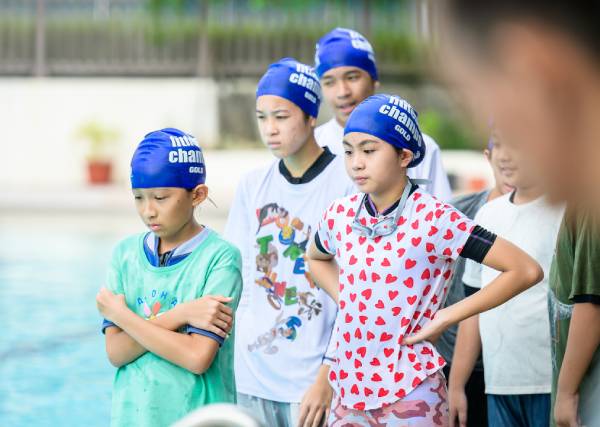
Teaching a toddler to swim is one thing. Getting a sixteen-year-old into the pool for proper lessons is an entirely different challenge. Older teens are often self-conscious, busy with school commitments, and quick to dismiss anything that feels too basic or too babyish for their age group.
Parents searching for swimming lessons for their teenagers often run into the same problem. Most programmes are built around young children, with cartoon mascots and games designed for six-year-olds. A fifteen-or sixteen-year-old wants something different: structured coaching, visible progress, and an environment where they are not the oldest kid in a class full of primary schoolers.
Why Teenagers Need a Different Approach
Teaching swimming to teens isn’t the same as teaching younger children. Older students already have some awareness of their bodies in the water, whether from school swim tests, family holidays, or the occasional attempt years ago that never quite stuck. This means instructors need to assess where each teen actually stands rather than starting from a blank slate.
Confidence plays a huge role too. Many teenagers avoid the pool altogether because they are embarrassed about being seen as beginners. A good programme addresses this directly, often through smaller class sizes or private lessons where the focus stays on the individual rather than comparison with classmates.
What to Look for in a Programme
When comparing options, a few factors tend to separate a decent programme from a genuinely good one.
- Instructor experience with teens: Coaches who regularly work with adolescents understand how to communicate without sounding condescending.
- Flexible scheduling: Teenagers juggle school, tuition, and CCAs, so lesson times need to fit around an already packed calendar.
- Clear skill progression: A structured pathway from basic strokes to more advanced technique helps teens see tangible improvement, which keeps motivation high.
- Small class sizes or one-on-one options: Fewer students per instructor means more individual feedback and less time standing around waiting for a turn.
Some centres also offer holistic coaching for swimming, blending technical stroke work with fitness and mental conditioning. This kind of well-rounded approach tends to appeal to teens who want more than just survival skills in the water.
Group Classes vs Private Lessons
Deciding between group and private lessons often comes down to budget, personality, and goals.
| Factor | Group Classes | Private Lessons |
| Cost | Generally lower per session | Higher, but more individual attention |
| Social element | Builds camaraderie with peers | Fully focused on the individual student |
| Pace | Set by the group | Adjusted to the student’s ability |
| Best for | Teens comfortable in social settings | Teens who prefer a quieter, tailored setting |
Neither option is inherently better. A confident teenager who enjoys a bit of friendly competition might thrive in a group setting, while a shy student who feels awkward being watched by peers may progress faster with a private instructor.
Addressing Common Concerns
Parents often worry that their teenager is “too old” to start swimming lessons. This simply is not true. Teens tend to pick up technique faster than younger children because they can process verbal instructions and apply feedback more precisely. What takes a six-year-old weeks to grasp might take a teenager a few sessions.
Another common concern is fitness level. Some teens haven’t been particularly active and feel self-conscious about their stamina in the pool. A well-designed programme accounts for this by building endurance gradually rather than throwing students into intense laps from day one.
Safety is also worth mentioning. Even teens who can technically swim sometimes lack proper technique, which increases fatigue and the risk of getting into trouble in open water or deeper pools. Formal lessons close these gaps, covering breathing technique, stroke efficiency, and water safety awareness that casual swimming with friends simply doesn’t teach.
Setting Realistic Goals
Before signing up, it helps to have a conversation with your teenager about what they actually want out of lessons. Some possibilities include:
- Learning to swim confidently for the first time
- Improving stroke technique for school swim tests or CCA tryouts
- Building fitness and stamina through regular swim training
- Preparing for competitive swimming or triathlon events
- Simply gaining water confidence before a family trip
Having a clear goal makes it easier to choose the right programme structure and track progress along the way. Instructors can also tailor sessions more effectively when they know what the student is working toward.
Making Lessons Stick
Consistency tends to matter more than intensity when it comes to actual improvement. A teenager attending one lesson a week for several months will usually see better results than someone cramming several sessions into a fortnight and then stopping altogether.
Parents can support this by:
- Keeping a consistent weekly schedule that doesn’t clash with exam periods or major school events
- Encouraging practice outside formal lessons, even if it’s just relaxed pool time with friends
- Celebrating small milestones, like mastering a new stroke or swimming a longer distance without stopping
- Letting the teenager have some say in scheduling and instructor choice, since buy-in improves motivation
Teenagers respond better when they feel some ownership over the process rather than being told what to do. Giving them a voice in choosing lesson times or even the type of programme can make a noticeable difference in how committed they stay.
Finding the Right Fit
Every teenager is different, and what works brilliantly for one student might not suit another at all. Some thrive with a strict, performance-focused coach who pushes them toward competitive times. Others need a more relaxed, encouraging environment where the emphasis stays on enjoyment and steady improvement.
The best way to find the right fit is often to trial a session or two before committing to a longer programme. This gives both the teenager and the instructor a chance to see if the coaching style and class dynamic actually work well together.
If you’re looking for a programme that understands the specific needs of teenage swimmers, from flexible scheduling to structured skill progression, Fitness Champs is worth exploring. Our approach focuses on building confidence and technique at a pace that suits older students, rather than forcing them into classes designed for much younger children.