

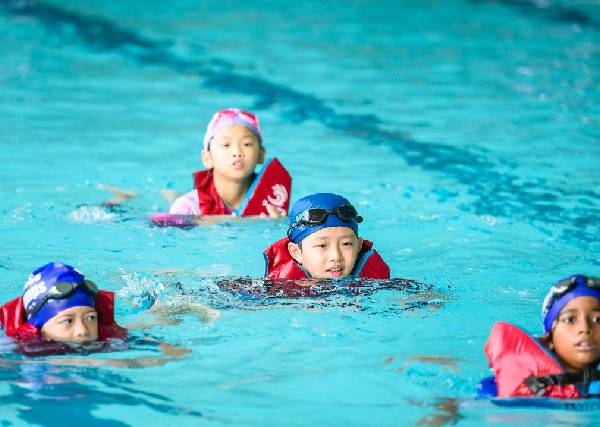
Every parent in Singapore has probably had this thought while watching their child near a pool, a beach, or even a bathtub. Water is everywhere in our lives, and knowing how to move safely through it is one of the most practical skills a child can pick up. The question isn’t really if they should learn, but when the timing makes the most sense for their little one.
The good news is that there’s no single magic number. Children develop at different paces, and readiness depends on physical coordination, comfort with water, and emotional confidence rather than age alone. That said, research and experience from swim instructors across the region point to some useful guidelines that can help parents make a more informed decision.
Starting Early: Infant Water Familiarisation
Many parents begin introducing their babies to water as early as six months old. At this stage, it isn’t about teaching strokes or survival techniques. It’s about building comfort. Gentle activities like floating on their backs with support, blowing bubbles, and getting used to water on their face help babies form a positive relationship with water early on.
This kind of early exposure can support kids’ growth in ways that go beyond swimming itself, laying a foundation of confidence that carries into other physical activities later on.
The Sweet Spot: Ages 3 to 5
Most swimming instructors agree that the ideal window for learning genuine water survival skills falls between three and five years old. By this age, children usually have the motor coordination and attention span needed to follow instructions and practise techniques consistently.
This is typically when structured swimming classes for children become most effective. Kids at this stage can learn essential skills such as:
- Floating independently on their back
- Kicking with proper technique
- Holding their breath underwater
- Basic self-rescue moves like turning onto their back if they get into trouble
Instructors often find that children in this age bracket respond well to short, engaging lessons that mix play with skill-building. Their natural curiosity makes them receptive learners, provided the environment feels safe and encouraging rather than pressured.
Why Age 4 is Often Highlighted
Some paediatric associations single out age four as particularly significant. Around this point, many children have developed enough physical strength and cognitive understanding to grasp cause and effect in the water. They understand that certain actions, like panicking or flailing, make things worse, while calm floating and controlled movements keep them safer.
That doesn’t mean younger children can’t benefit from lessons. It simply means that by four, most kids are ready to move from familiarisation into genuine survival training with a reasonable expectation of retaining what they learn.
Older Children and Late Starters
If your child hasn’t had the chance to start young, there’s no need to worry. Children aged six and above can pick up water survival skills quickly, often faster than toddlers, because they can process verbal instructions more easily and have better body awareness.
The main difference tends to be psychological rather than physical. Older beginners sometimes carry more fear or self-consciousness around water, especially if they’ve had a negative experience in the past. Patient instructors who build trust gradually can usually work through this without much difficulty.
| Age Group | Focus Area | Typical Skills |
| 6 months to 2 years | Water familiarisation | Comfort with face wetting, gentle floating with support |
| 3 to 5 years | Core survival skills | Independent floating, kicking, breath control |
| 6+ years | Confidence building | Stroke technique, deeper water comfort, rescue basics |
Signs Your Child Might Be Ready
Rather than fixating purely on age, it helps to look at individual readiness cues. A child might be prepared to start structured lessons if they:
- Show curiosity rather than fear around water
- Can follow simple two-step instructions
- Have reasonable physical coordination for their age
- Enjoy bath time or splashing around without distress
If your child seems hesitant, that’s perfectly normal too. Gentle, low-pressure exposure at home can often help before jumping into formal lessons.
The Role of Consistency
Regardless of the starting age, consistency plays a bigger role in mastery than the age itself. A child who attends lessons weekly over several months will typically progress faster and retain skills longer than one who attends sporadically. Water survival isn’t a one-off achievement. It needs regular practice to become instinctive, especially for young children whose muscle memory is still developing.
Parents sometimes assume that once a child can float or paddle a few metres, the job is done. In reality, skills fade without reinforcement, particularly during long breaks between lessons. Scheduling regular practice sessions, even informally at a condo pool or during family outings, helps lock in what’s been taught.
A Note on Safety Supervision
No amount of training replaces active adult supervision. Even highly capable young swimmers can encounter unexpected trouble, whether from a cramp, fatigue, or a sudden change in water conditions. Teaching survival skills should always be paired with close supervision, especially for children under eight, who may not yet have the judgement to recognise risky situations on their own.
Life jackets and other flotation aids remain useful tools for younger or less experienced swimmers, particularly in open water settings like the sea or lakes where conditions are less predictable than a pool.
Finding the Right Programme
When choosing a swim programme, look beyond just the age recommendations. Consider the instructor’s experience with young children, class sizes, and whether the teaching style suits your child’s temperament. Some kids thrive in group settings with peers, while others do better with one-on-one attention, at least initially.
It also helps to visit a facility beforehand to see how instructors interact with children. A warm, patient approach tends to produce better long-term results than a rigid, drill-heavy one, particularly for younger learners who need encouragement to stay engaged.
Final Thoughts
There’s genuine flexibility in when a child can begin learning water survival skills, though ages three to five tend to offer the clearest combination of physical readiness and receptiveness to instruction. What counts more than the exact starting age is finding a programme that keeps your child safe, engaged, and steadily building confidence in the water.
If you’re looking for a trusted place to start this journey, Fitness Champs offers a supportive environment where children can build water confidence at their own pace.