loader image

How Can Parents Help Kids Overcome Their Fear of Water?

Helping a child overcome a fear of water is a sensitive, gradual process. But with patience, empathy, and the right approach, parents play a crucial role. Whether your child is hesitant about stepping into a pool or terrified of getting their face wet, there are thoughtful ways to support them. Here’s how parents can help kids overcome their fear of water while building lifelong confidence and safety.

Understand Why The Fear Exists

Children’s fear of water can stem from various triggers. Maybe they’ve had a frightening near-drowning experience, or perhaps they have limited exposure to water environments, so the unfamiliarity becomes intimidating.

This fear is a common struggle kids face in swimming, as many children feel anxious simply because water feels different – the sensations, the unpredictability, the idea of being submerged can be overwhelming. Accepting that fear is real and valid is the first step for parents. It’s important not to dismiss the child’s feelings as “just being silly” but to empathise and gently support them instead.

Choose A Gentle, Supportive Approach

Edging Into Water Slowly

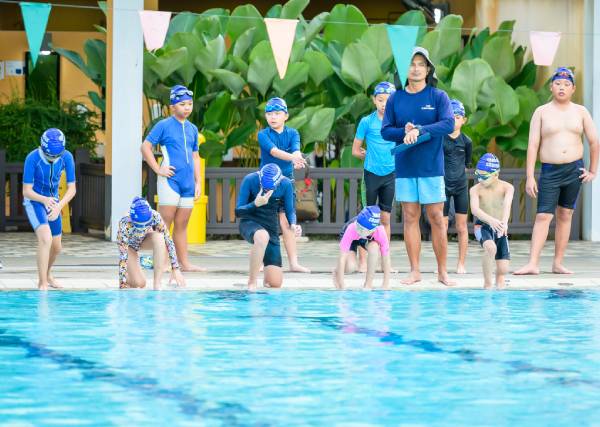
Rather than pushing your child into situations that overwhelm them, start with small, manageable exposures. Maybe it’s just splashing with their feet, dipping toes, or letting them sit at the pool’s edge.

If possible, consider enrolling them in private swimming lessons for children with one-to-one sessions where the instructor tailors the pace to the child’s comfort. Such personalised attention can make a world of difference, particularly if the child is anxious about group settings. Many swim programmes recommend starting slow, communicating with the coach about the child’s fears, and even beginning with parent-child sessions to establish trust.

Use Play, Not Pressure

Water can become scary if it feels like a test. Instead, let it be play. Simple water games, floating toys, splashing, and bubbles can shift the child’s focus from fear to fun. Toys and playful water exploration help create positive associations with water.

Offer choices: let your child decide whether they want to splash or only dip their hands, choose a toy or a game. Giving them control helps restore their sense of safety.

Celebrating Small Wins

Confidence builds over time. Every small achievement, such as dipping toes, touching water, blowing bubbles, or even just standing near the pool, deserves recognition. Celebrate these milestones, no matter how minor. Praise, encouragement, and a high-five are positive reinforcements that help children feel proud and more willing to try again.

Avoid pressure, comparisons, or negative language. Saying “Don’t be scared” or “It’s easy” can actually reinforce anxiety. Instead, use gentle encouragement like “You’re doing so well” or “Take your time,” reinforcing a supportive, patient environment.

Provide Consistent, Calm Parental Support

Children are sensitive to their parents’ emotions. If you’re nervous or anxious, they’ll feel it, and water can become a source of stress rather than joy. Keeping a calm, confident demeanour around water, whether at the pool or during bath time, helps children sense that water is safe.

If possible, get into the water with your child. Being physically close, such as holding their hand, supporting them, or simply being nearby, helps build trust. Some swim schools advise parents to join initial lessons so children feel secure until they trust the instructor.

Consistency matters. Short, regular exposure is often more effective than infrequent, longer sessions. Weekly (or more frequent) gentle water exposure helps desensitise the fear gradually.

Involve Professional Instruction When Ready

While playful water exposure at home is invaluable, professional help can be pivotal, especially for children whose fear runs deep. Structured lessons with experienced, patient instructors can offer the right mix of skill training, reassurance, and gradual progression.

Some swim programmes, like the SwimSafer program, focus on helping children with water anxiety by using small class sizes, understanding coaches, and a gentle, paced introduction to swimming skills.

Parents and instructors working together ensure the child feels supported both in and out of the pool. For many children, this approach can take them from fear to enjoyment.

Be Patient, Flexible and Trust The Process

Every child is different. Some may embrace water quickly, while others need weeks, months, or even longer to feel at ease. There’s no “standard timeline.” Comparing one child’s progress against another’s can be discouraging. Instead, honour your child’s pace and treat every small step as meaningful progress.

If the fear persists despite all efforts or if your child becomes extremely stressed whenever water is involved, it may be worth discussing with a professional swim instructor or child psychologist. In rare cases, water anxiety can be deeper than typical nervousness.

Why Overcoming The Fear Matters

Learning to swim does more than just build a new skill, it helps a child feel safe and confident around water. Water appears in many everyday situations (pools, beaches, baths, holidays), so comfort with water improves safety and opens up more opportunities for fun.

Plus, mastering even simple water skills can be empowering. What started as fear can gradually become strength; a feeling of accomplishment that supports broader confidence in other areas of life too.

Conclusion

Helping a child overcome fear of water takes time, empathy, and a thoughtful, patient approach. As parents, the most powerful things you can offer are calm reassurance, consistency, gentle encouragement, and trust in your child’s pace. Combining playful water exposure, parental presence, supportive language and when appropriate, professional instruction, gives your child the best chance to grow comfortable and confident.

If you’re looking for a supportive and structured environment to nurture your child’s confidence in the water, consider exploring the programmes offered by Fitness Champs, where children learn at their own pace, with safety, encouragement, and enjoyment at the core of every lesson.

Swimming Gear Guide: The 4 Essentials for Every Level

Swimming is a versatile sport that benefits people of all ages, whether for fitness, leisure, or competitive purposes. But achieving comfort and efficiency in the water goes beyond technique—it starts with the right swimming gear. Understanding the common struggles faced by swimmers, whether you’re attending private swimming lessons or simply looking to improve your skills, having essential equipment can make a significant difference. From beginners learning their first strokes to advanced swimmers refining their performance, the following four essentials are must-haves for every swimmer.

1. Swimwear: Comfort and Performance

Swimwear is more than just a piece of clothing; it is a crucial factor in your overall swimming experience. Selecting the right suit ensures that you move efficiently in the water while remaining comfortable throughout your session. For men, options typically include briefs, jammers, and trunks, while women may choose from one-piece suits, tankinis, or performance racing suits.

When choosing swimwear, keep these points in mind:

  • Fit: Swimwear should sit snugly without being restrictive. Loose-fitting suits create drag, which slows you down, while overly tight suits can be uncomfortable during long sessions.
  • Material: Chlorine-resistant fabrics, such as polyester or PBT blends, prolong the life of your swimwear and prevent stretching or fading.
  • Purpose: Consider the type of swimming you will be doing. Leisure swimming suits differ from competitive or training suits, which are designed to reduce drag and support efficient movement.

For beginners, comfort is often more important than performance, but as swimmers progress, investing in high-quality swimwear becomes essential to maximise efficiency in the water.

2. Goggles: Clear Vision and Eye Protection

Goggles are indispensable for all swimmers. Not only do they protect your eyes from chlorine and other pool chemicals, but they also allow you to see clearly underwater, which is essential for maintaining proper technique and direction. Many swimmers, especially those enrolled in private swimming classes, find that goggles dramatically improve confidence in the water.

Consider the following factors when selecting goggles:

  • Fit: Goggles should seal comfortably around the eye sockets to prevent leaks. Try different shapes and sizes to find the one that suits your face best.
  • Lens Type: Anti-fog lenses prevent condensation from obstructing your vision, which is particularly important for long training sessions. Clear lenses are ideal for indoor pools, while tinted or mirrored lenses offer sun protection for outdoor swimming.
  • Comfort: Adjustable straps and soft silicone seals ensure goggles remain secure without causing discomfort.

A well-chosen pair of goggles can enhance swimming efficiency and reduce irritation, making your time in the pool much more enjoyable.

3. Swim Cap: Hair Protection and Hydrodynamics

Swim caps are often underestimated, but they play a key role in both performance and hair protection. By reducing drag in the water, caps allow swimmers to move more smoothly and efficiently. They also prevent hair from getting caught in pool filters and protect it from harsh chemicals. Silicone caps are particularly popular due to their durability and snug fit.

When selecting a swim cap, consider:

  • Material: Silicone is flexible, long-lasting, and less likely to tear compared with latex. Lycra caps are more comfortable but offer less water resistance.
  • Size: Make sure the cap fits over your hair comfortably without causing discomfort. For long hair, a larger cap may be necessary to contain the hair fully.
  • Visibility: Brightly coloured caps enhance visibility, which is particularly important in crowded pools or open water sessions.

For swimmers participating in training or competitive events, a swim cap not only improves performance but also keeps hair safe from damage, making it a valuable addition to any swimming kit.

4. Training Aids: Enhance Technique and Strength

Training aids are invaluable tools for swimmers of all levels. They allow for focused improvement on specific aspects of swimming technique while also building strength and endurance. These aids provide variety and support effective training.

Some popular training aids include:

  • Kickboards: Designed to isolate the legs, kickboards help swimmers develop a stronger and more efficient kick. They are particularly useful for beginners learning proper kicking technique.
  • Pull Buoys: By supporting the legs, pull buoys allow swimmers to focus on upper body strength and refine stroke technique.
  • Fins: These enhance leg strength and improve ankle flexibility. Fins also add resistance, making kicks more powerful.
  • Hand Paddles: Paddles increase water resistance, helping swimmers develop arm strength and improve stroke efficiency.
  • Resistance Bands: Often used for dryland training, bands complement in-pool sessions by building overall strength and conditioning.

Incorporating training aids into your routine helps target specific weaknesses, build endurance, and maintain motivation. They are beneficial for all levels, from beginners to advanced swimmers looking to refine their technique.

Additional Considerations for Every Swimmer

Beyond the core four essentials, some additional items can further improve your swimming experience:

  • Towels and Swim Bags: A large, absorbent towel and a spacious, waterproof swim bag are convenient for transporting and drying your gear.
  • Water Bottles: Staying hydrated is vital during intense swimming sessions. Dehydration can occur even in water, so keep a bottle nearby.
  • Ear and Nose Protection: Earplugs and nose clips can prevent discomfort and infections, especially for those prone to swimmer’s ear or sinus issues.

Proper maintenance of your swimming gear is also crucial. Rinse goggles, caps, and swimwear thoroughly after each session to remove chlorine and extend their lifespan. Regularly inspecting training aids for wear and tear ensures they remain safe and effective.

Conclusion

Having the right swimming gear is essential for maximising comfort, safety, and performance in the pool. From well-fitted swimwear and protective goggles to essential swim caps and training aids, each item plays a vital role in helping swimmers progress, whether during private swimming lessons or independent practice sessions.

At Fitness Champs, we offer guidance and resources to ensure swimmers of all levels have access to high-quality equipment. With the right tools, dedication, and expert guidance, you can achieve your swimming goals more efficiently and enjoy every stroke along the way.

Group vs Private Swimming Classes: What Suits You Best?

Deciding between private swimming lessons and group classes can feel overwhelming. Many people ask themselves: Which option will help me improve faster? Which one fits my personality or lifestyle better? Whether you’re a beginner hoping to build confidence, a parent seeking the best path for your child, or an adult aiming to refine your strokes, understanding the differences between these two approaches is essential.

Personalised Attention Or Shared Energy?

One of the primary distinctions between private and group swimming lessons is the level of attention you receive. In private swimming lessons, the instructor’s focus is entirely on you. Every exercise, drill, and correction is tailored to your needs. For example, if you struggle with floating, the coach can spend extra time building your confidence in the water. Conversely, if you’re already comfortable with basic skills, they can push you to master advanced strokes or techniques. This one-on-one approach allows learners to progress at their own pace, ensuring no time is wasted on concepts you’ve already mastered, and helps improve focus and discipline through consistent, personalised guidance.

Group lessons, on the other hand, involve shared attention. The coach must divide their focus among all participants, which means individual feedback may be limited. However, group sessions can create a lively and motivating environment. Watching peers succeed, celebrating milestones together, and engaging in friendly competition can be incredibly encouraging. If you enjoy social interaction and learning in a dynamic setting, group lessons may offer the energy and camaraderie that make swimming more enjoyable.

Speed Of Progress And Learning Efficiency

A common question among learners is which method leads to faster improvement. Private lessons tend to deliver results more quickly because every moment in the pool is dedicated to you. Mistakes are corrected immediately, drills are tailored to your skill level, and goals are constantly adjusted based on your progress. This level of personalisation can significantly shorten the learning curve, especially for beginners or those with specific technique goals.

An instructor’s lesson plan is designed to accommodate and complement the varying skill levels of students. Both advanced and beginner learners benefit from each other through observation, as they can identify each other’s mistakes and pick up valuable learning points. In group classes, learners also develop communication skills and learn to support one another, fostering a collaborative and motivating environment.

Flexibility, Convenience And Cost

Scheduling, convenience, and cost are significant factors for most learners. Private lessons are generally more flexible. Sessions can be arranged at times that fit your lifestyle, which is ideal for working adults or families with busy schedules. You may also have the option to choose a preferred instructor or even conduct lessons at a nearby community pool or your own home, providing maximum convenience.

The downside is cost. Private lessons are usually more expensive per session. However, because learners often require fewer lessons to achieve their goals, the overall cost may not be significantly higher in the long run.

Group lessons are more budget-friendly upfront and usually take place at fixed times and locations, which may be less flexible but can suit those with steady schedules. The social environment and lower cost make group lessons a practical choice for families or beginners who want to learn without committing to a higher price per session.

Tailored Support Versus Social Interaction

Another important consideration is your personality and comfort level. If you are shy, anxious, or fearful of water, private swimming classes offer a safe and calm environment. Learners who require additional support, such as children with special needs or adults returning to swimming after a long break, often progress faster when they have one-on-one guidance.

Group classes are ideal for learners who enjoy social interaction. Peer encouragement, teamwork, and friendly competition can boost motivation and make learning fun. Many learners find that being part of a group keeps them accountable and consistent. Group lessons also offer a sense of community, which can be especially rewarding for children, teens, or adults who thrive in social settings.

Technique Refinement Or General Progress

Many people wonder whether private lessons are better for refining swimming technique. The answer is yes—private instruction allows for precise drills, detailed feedback, and targeted corrections. This approach is particularly useful for learners training for competitions, trying to perfect strokes, or learning advanced techniques.

Group lessons, by contrast, often focus on general skills, water safety, and overall progress. While less tailored, they offer repeated practice in a supportive environment. Beginners especially benefit from seeing peers perform the same drills, which can reinforce learning and help them understand proper technique through observation.

Quick Decision Guide

If you’re still unsure which approach suits you, here’s a simple breakdown:

  • Private Swimming Lessons:
    • Offer faster and more personalised progress
    • Allow flexible scheduling and location options
    • Provide a calm environment for anxious learners
    • Focus on refining strokes or training for competition
  • Group Classes:
    • Encourage social learning and interaction
    • Provide a fun and motivating environment
    • Offer structured routines for consistent practice
    • Tend to be more cost-effective per session

For many learners, a combination of both methods is ideal. Starting with private lessons builds confidence and skill, while group sessions maintain motivation and allow learners to apply their skills in a social setting.

What Real Learners Say

Many swimmers suggest a blended approach works best. Parents often enrol children in private lessons to strengthen confidence and establish foundational skills. Once these are in place, children move into group classes to enjoy peer interaction and friendly competition.

Adults often follow a similar path. One-to-one coaching helps them overcome fears, develop proper technique, and target personal goals. Later, they may join a group class for motivation, social interaction, and regular practice. Real-life experiences show that flexibility and adaptation are key; your needs may evolve as your skills improve.

Benefits Beyond the Pool

Choosing between private and group swimming lessons isn’t just about skills—it also impacts confidence, health, and lifestyle. Swimming is a full-body workout that improves cardiovascular health, flexibility, and endurance. For children, it develops coordination, balance, and water safety skills. Adults gain stress relief, mental clarity, and an enjoyable way to stay active.

Private lessons offer the advantage of focusing on specific health goals, whether it’s improving technique to prevent injury or tailoring intensity for fitness. Group lessons enhance social engagement, creating friendships and accountability that make exercise more enjoyable. Both formats contribute to long-term wellness, proving that the choice isn’t solely about learning speed—it’s also about sustaining a healthy habit.

Conclusion

Choosing between private swimming lessons and group classes depends on your goals, personality, schedule, and budget. Private lessons offer personalised attention, faster progress, flexible scheduling, and detailed technique work. Group classes provide affordability, peer support, and a fun, structured environment.

Many learners benefit from a combination approach—starting with private lessons to build confidence and skill, then transitioning into group sessions to enjoy social interaction and reinforce learning.

Whether you seek focused one-on-one coaching or the uplifting energy of a group, Fitness Champs offers both tailored private options and engaging group classes to meet your needs. Take the plunge today and start your swimming journey with Fitness Champs. You’ll discover that the right choice can make all the difference in enjoying and excelling at this lifelong skill.

Common Struggles Kids Face in Swimming & and How to Help

Learning to swim is an exciting milestone for many children, but it doesn’t always come without challenges. While some kids take to the water like fish, others face physical, emotional, or developmental obstacles that can delay progress. Understanding these common struggles and knowing how to support your child can make all the difference in helping them develop confidence and skills in the water.

Fear of water and submersion

One of the most common hurdles for children starting swimming is a fear of water—particularly the idea of submerging their head. This anxiety may stem from a past negative experience or simply from a natural caution about the unknown. It can manifest as crying, clinging to parents, or refusing to get in the pool altogether.

To help your child, start slowly. Allow them to play with water toys in shallow areas or even during bath time to associate water with fun. Look for swimming classes for children that focus on water familiarisation in a gentle, patient manner. Instructors trained to build trust and introduce submersion progressively can help ease these fears over time.

Difficulty with breath control

Proper breath control is a foundational swimming skill, yet many kids struggle to coordinate their breathing with their movements. Holding their breath too long, exhaling too soon, or panicking when their face hits the water can disrupt their stroke and confidence.

Parents and instructors can turn breath control into a game. Blowing bubbles, singing songs with breath cues, or practising humming underwater can make learning feel less intimidating. Encouraging kids to blow gently into the water can help them learn to exhale slowly and consistently.

Lack of body coordination

Swimming lessons at a young age can be challenging because swimming requires the coordination of arms, legs, breathing, and balance—all at the same time. For many kids, this can be overwhelming at first. Younger children especially might have underdeveloped motor skills or may struggle to remember the sequence of strokes.

Breaking down each swimming stroke into smaller, manageable parts helps children focus on one element at a time. Repetition is key, as is positive reinforcement when they make even small progress. A well-structured class environment, where instructors demonstrate each movement clearly and provide individual feedback, makes a noticeable difference.

Short attention span

Some children lose focus quickly during swimming lessons, particularly if they are high-energy or easily distracted. When kids don’t stay engaged, they may miss important safety instructions or practice less effectively.

To counter this, choose instructors who blend learning with play. Fun activities such as races, obstacle courses, or games like “Simon Says” in the water can keep kids motivated and attentive. Swimming programmes aligned with the SwimSafer Singapore framework often incorporate structured learning while maintaining a playful tone that suits young swimmers.

Peer pressure and comparison

Group swimming lessons can expose children to peer pressure, especially when they notice other kids advancing faster. This can lead to frustration or feelings of inadequacy. Some might compare themselves negatively or feel embarrassed if they’re struggling.

Parents and coaches play a key role in reframing this experience. Focus on your child’s individual progress rather than comparing them to others. Celebrate their achievements, however small. Instil the idea that everyone learns at their own pace, and that perseverance is more important than immediate success.

Sensory sensitivities

Certain children, especially those with sensory processing challenges, may find the pool environment overwhelming. The feel of water on the skin, splashing sounds, or even the scent of chlorine can trigger discomfort or distress.

In such cases, gentle exposure is essential. Allowing your child to wear comfortable swim gear, use ear plugs, or practice in quieter, less crowded pool times can ease their adjustment. It’s also beneficial to choose swimming instructors with experience in working with sensory-sensitive children, who can adapt lessons accordingly.

Overcoming plateau periods

There may be times when your child’s progress stalls, even after weeks or months of consistent effort. These plateaus are a natural part of the learning process but can feel discouraging for both the child and their parents.

Encouragement is key during these periods. Set short-term, achievable goals to maintain momentum. For instance, focusing on improving kick technique or floating duration can give kids something concrete to work on. Sometimes, changing the learning environment—like moving to a different class level or instructor—can also provide a fresh boost of motivation.

Building confidence, one swim at a time

Children face a range of struggles when learning to swim, from fear and coordination challenges to attention issues and social pressures. But with understanding, patience, and the right approach, these hurdles can be overcome. The journey might look different for every child, but the rewards—confidence, safety, and lifelong enjoyment of swimming—are well worth the effort.

For parents looking for supportive, professional guidance, Fitness Champs offers nurturing, goal-oriented programmes that cater to children of all skill levels. With experienced coaches, structured lesson plans, and a passion for developing confident swimmers, we’re here to help your child thrive in the water. Discover more at Fitness Champs.

Do Swimming Lessons Improve Focus and Discipline in Kids?

Parents often seek meaningful activities that not only keep their children active but also contribute to their overall growth and development. Among the many options, children swimming lessons stand out as a popular choice. But beyond physical fitness and water safety, many parents wonder if swimming can instill valuable life skills like focus and discipline. The answer, supported by both research and experience, is a resounding yes.

Swimming encourages structured learning and goal setting

Unlike unstructured play, swimming lessons follow a clear structure. Each lesson builds upon the last, with coaches guiding children through skills progression — from floating to stroking, and eventually to more advanced techniques. This systematic approach helps children understand the importance of process and patience. In a typical Swim Safer Singapore programme, for instance, kids must pass various stages, motivating them to stay focused and meet specific goals. They quickly learn that improvement comes with consistent effort, a mindset that carries over into academic and personal life.

Lessons cultivate mental discipline and resilience

The pool is not just a physical space, it’s also a mental training ground. Swimming requires concentration, breath control, and the ability to follow multiple instructions simultaneously. Young swimmers must focus on form, timing, and breathing, all while listening to their coach and adapting to the environment around them.

Over time, this builds a form of mental discipline that’s rare in many other activities. Children who commit to regular swimming often show better emotional regulation and perseverance, especially when they’re striving to perfect a stroke or shave seconds off their lap time. Even when progress feels slow, they learn not to give up. This resilience can benefit them during stressful school periods, such as exams or project deadlines.

Early routines nurture consistency

One of the underrated benefits of enrolling kids in swimming classes is the development of routine. For children, school schedules can be hectic, having a fixed time for weekly or twice-weekly swimming can help them cultivate time management. Preparing their gear, arriving on time, and being mentally ready to swim teaches accountability.

This consistency builds habits. Over time, children begin to understand the rewards of sticking to a schedule and start applying the same mindset to schoolwork and other responsibilities. It becomes second nature for them to stay organised and prepared.

Peer motivation and coach guidance drive focus

Learning in a group setting offers social and psychological benefits. When children swim with their peers, they observe, model, and learn from each other. Seeing a classmate master a skill encourages them to try harder. At the same time, a supportive coach plays a vital role in keeping children focused.

At Fitness Champs, our coaches are trained to strike a balance between discipline and encouragement. They understand how to redirect a wandering mind, use positive reinforcement, and maintain attention without overwhelming the child. This guidance is essential for cultivating long-term focus.

Swimming supports cognitive development

Scientific studies have shown that physical activities like swimming stimulate brain function. Coordinated movements, such as those required in freestyle or butterfly strokes, engage both sides of the brain, strengthening the neural pathways associated with memory, learning, and problem-solving.

For younger kids, especially those in preschool or primary school, this brain stimulation supports classroom readiness. Parents often report improvements in attention span, reading comprehension, and even mathematical reasoning among children who swim regularly. Although swimming is often seen as a sport, it quietly reinforces key developmental skills.

Discipline beyond the pool

The self-control that children develop during swimming lessons doesn’t remain confined to the water. Over time, it reflects in their behaviour at home and in school. They begin to understand the concept of delayed gratification, knowing that mastering a difficult stroke might take weeks, but the satisfaction at the end is worth it.

Additionally, swimming lessons instill a sense of respect: for the coach, for the water, and for the rules. Children become more aware of safety, responsibility, and the impact of their actions. These qualities are invaluable as they mature and take on greater responsibilities.

Why swimming builds more than just strength

While most parents initially enrol their children in swimming to improve fitness or water safety, many are pleasantly surprised by the mental and emotional growth that follows. Focus, discipline, consistency, and confidence all emerge naturally from a well-conducted swimming programme.

In a fast-paced environment like Singapore, where screen distractions are plenty and academic pressures are high, these attributes are more important than ever. Swimming becomes a much-needed outlet, helping children reset, refocus, and rebuild.

Conclusion

At Fitness Champs, we see daily how swimming shapes not only strong swimmers but also focused, disciplined, and resilient young individuals. Our lessons go beyond teaching strokes — they build character. Whether your goal is water safety, skill mastery, or personal growth, the journey starts here.

Explore our swimming programmes today and let your child experience the lasting benefits of swimming.

5 Signs Your Child Is Progressing in Their Swimming Classes

Watching your child develop confidence and skill in the water is one of the most rewarding parts of enrolling them in swimming lessons. Starting swimming lessons at a young age can make a big difference, helping children build water confidence early on. Whether they are just starting out or have been attending sessions for a while, you might be wondering how to tell if they’re truly improving. Progress in swimming doesn’t always mean faster laps or perfect strokes overnight. Often, it’s the small changes in behaviour, attitude, and ability that reveal how far they’ve come.

If you’re a parent in Singapore considering or already attending swimming classes for children, here are five clear signs that your child is making great progress in the pool.

1. They’re more comfortable and confident in the water

The first major sign of progress is a noticeable increase in water confidence. When your child no longer clings to the pool wall or hesitates to put their face in the water, you’ll know that their fear is being replaced by familiarity. This boost in comfort often leads to more willingness to try new skills, such as floating on their back, submerging fully, or even attempting short swims on their own.

In Singapore’s humid climate, swimming is not only a valuable life skill but also an enjoyable way to stay active. As your child becomes more at ease in the water, you’ll notice them looking forward to lessons rather than dreading them. That shift in attitude is a strong indicator that they’re developing a healthy relationship with swimming.

2. They show improved technique and body coordination

Another key indicator of progress is technical improvement. While splashing around is fun, proper form is crucial for developing into a strong swimmer. Keep an eye out for smoother arm movements, coordinated breathing, and better kick technique. These changes may seem subtle at first, but they demonstrate that your child is learning to swim efficiently, not just stay afloat.

If your child is enrolled in a structured programme like Swim Safer Singapore, these improvements in technique are essential milestones they must achieve before moving on to the next stage. Mastering strokes such as freestyle, breaststroke, or backstroke in a more refined way signals that they’re not just learning — they’re excelling.

3. They listen to instructions and apply feedback

Progress isn’t just physical — it’s also about mental engagement. A child who pays close attention to their coach, understands the instructions, and makes an effort to apply corrections is showing signs of maturity and growth. You may notice your child talking about specific drills or sharing what their coach told them to work on. This level of focus and responsiveness is a good indication that they are taking ownership of their learning.

In swimming classes, repetition is key to mastery. When your child begins to connect feedback with their actions in the water and makes corrections independently, you’ll know they’re developing both discipline and self-awareness.

4. They can swim longer distances without support

As your child becomes stronger, their endurance will naturally improve. One of the most visible signs of progress is the ability to swim longer distances with less or no support. If they started by needing a kickboard or pool noodle and now swim half a lap confidently without assistance, that’s a big step forward.

Distance swimming not only builds stamina but also reinforces the importance of rhythm, breathing control, and consistent technique. Many swimming schools in Singapore will gradually increase the challenge based on each child’s readiness, so if your child is advancing to deeper pools or longer swims, it’s a sure sign they’re on the right track.

5. They demonstrate water safety awareness

One of the primary goals of swimming education is to equip children with the skills to be safe in and around water. If your child begins to talk about pool rules, checks for depth before jumping in, or shows an understanding of what to do in an emergency, they are displaying an important aspect of swimming progress: safety awareness.

Many reputable programmes in Singapore, such as those aligned with Swim Safer Singapore, place strong emphasis on these competencies. It’s not just about becoming a fast swimmer but a safe and responsible one too. If your child is practicing self-rescue skills, knows how to float in place, or recognises when it’s unsafe to swim, these are significant signs that they’re maturing as a swimmer.

Encouraging and recognising progress

Every child progresses at their own pace. Some may take weeks to feel comfortable in the water, while others pick up technique quickly but need more time to develop endurance. As a parent, your role in encouraging their progress, no matter how small, can make a world of difference.

At Fitness Champs, the aim is to provide every child with a supportive, safe, and engaging learning environment where they can thrive. Whether your child is just beginning or moving through the stages of Swim Safer, celebrating their milestones builds confidence and motivation. Learn more about the structured and child-focused swimming programmes offered at Fitness Champs to support your child’s swimming journey.

6 Benefits of Starting Swimming Lessons at a Young Age

Swimming is an essential life skill that provides children with a foundation for water safety, fitness, and overall well-being. In Singapore, where pools and water activities are common, early exposure to swimming can offer numerous advantages. From developing confidence in the water to enhancing physical coordination, starting swimming lessons at a young age sets children up for success in various aspects of life.

Builds water confidence and safety skills

Children who begin swimming early become comfortable in the water, reducing the fear and hesitation that some may develop later. By engaging in children swimming lessons, they learn essential water safety techniques, such as floating, treading water, and controlled breathing. These skills are particularly crucial in a country like Singapore, where water-based activities are popular. Enrolling in structured swimming programmes ensures that young swimmers acquire the ability to handle different water conditions safely.

Enhances physical development and coordination

Swimming engages multiple muscle groups simultaneously, making it one of the best full-body workouts for young children. The resistance of water helps build strength, flexibility, and endurance without putting stress on the joints. Early swimming lessons also promote better motor skills and coordination as children learn to control their body movements efficiently. This early development plays a crucial role in kids’ growth and development, leading to improved posture, balance, and agility in everyday activities.

Improves cognitive and social skills

Beyond physical benefits, swimming also contributes to cognitive and social development. The structured environment of swimming lessons encourages children to follow instructions, develop focus, and improve problem-solving abilities. Additionally, group lessons create opportunities to interact with peers, fostering teamwork, communication, and social confidence. Learning to take turns, respect others, and listen to coaches are valuable skills that extend beyond the pool.

Encourages a healthy and active lifestyle

In a digital age where screen time is increasingly prevalent, engaging children in physical activities like swimming helps cultivate a lifelong habit of exercise. Swimming is an excellent way for children to stay active while having fun. The activity strengthens the heart, improves lung capacity, and promotes overall fitness, reducing the risk of childhood obesity and related health issues. Early exposure to swimming fosters a positive relationship with physical activity that can carry into adulthood.

Provides therapeutic and emotional benefits

Water has a naturally calming effect, making swimming a great way for children to relieve stress and anxiety. The rhythmic movements and controlled breathing required in swimming help regulate emotions, improve mood, and enhance relaxation. For children who may struggle with sensory processing, swimming can offer a therapeutic experience, helping them feel more comfortable in their bodies and surroundings. These emotional benefits contribute to a happier, more confident child both in and out of the pool.

Prepares children for water-based activities and competitions

Singapore offers a variety of water sports and recreational activities, from kayaking at East Coast Park to competitive swimming events. Starting swimming lessons early provides children with the foundation to explore and excel in these activities. Programmes like Swim Safer Singapore ensure that young swimmers gain the necessary skills to participate safely and confidently in various water environments. Whether for leisure or competition, early swimming training opens doors to opportunities that can enrich a child’s life.

Swimming is more than just a recreational activity; it is a life skill that brings long-term benefits. At Fitness Champs, we believe in nurturing young swimmers by providing structured, engaging, and fun swimming lessons tailored to different age groups. Enrolling your child in our swimming programmes is a step towards building confidence, enhancing physical health, and ensuring water safety from an early age.

How Swimming Supports Kids’ Growth and Development

Swimming is more than just a fun activity for kids—it plays a crucial role in their physical, mental, and social development. In Singapore, where water activities are a staple of childhood, ensuring that kids are confident swimmers is not just a luxury but a necessity. From building strength to improving cognitive skills, swimming offers a well-rounded approach to a child’s growth.

Physical benefits that build a strong foundation

One of the most obvious advantages of swimming is its impact on physical development. Unlike other sports, swimming is a full-body exercise that engages the entire body, promoting muscle growth, cardiovascular fitness, and coordination. The resistance of water makes every movement more challenging, helping children build endurance and strength without putting stress on their joints.

For kids in Singapore, where academic demands can be intense, swimming provides an excellent way to stay active. It enhances flexibility, improves lung capacity, and supports good posture—all of which contribute to a healthier lifestyle. Many parents enrol their kids in swimming classes for children not just for safety but also to ensure they develop strong and agile bodies from a young age.

Cognitive development and learning skills

Swimming is not just about moving in water; it also requires concentration, rhythm, and problem-solving skills. Studies have shown that children who swim regularly tend to develop better cognitive abilities, including enhanced memory, language development, and spatial awareness. The discipline and focus required in swimming translate into improved performance in school as well.

In a structured learning environment like children swimming lessons, kids also develop the ability to follow instructions, count laps, and remember breathing techniques—all of which train their brains to process information more effectively. This multi-sensory experience plays a crucial role in brain development, especially during the early years.

Social skills and confidence in a supportive environment

Swimming is often seen as an individual sport, but it also fosters teamwork and social interactions. Group swimming lessons encourage children to communicate with instructors and peers, work together in drills, and learn the value of cooperation. This is especially important in Singapore, where social skills are highly valued in both school and future career settings.

Additionally, learning to swim builds confidence. Many kids start with a fear of water, but as they progress, they gain a sense of achievement and independence. This confidence extends beyond the pool, helping children tackle challenges in other areas of life, whether it’s public speaking, making new friends, or taking on academic challenges.

Water safety and a life-saving skill

In a country surrounded by water and filled with pools, beaches, and water parks, learning how to swim is an essential skill for every child. Drowning prevention is a major reason why parents prioritise swimming lessons, ensuring that their children are equipped with the skills to handle themselves in water safely.

Through structured lessons, kids learn essential survival techniques such as floating, treading water, and efficient breathing. These skills can be lifesaving in emergencies and give parents peace of mind when their children participate in water activities. Teaching kids water safety from a young age ensures they develop a respectful yet confident approach to aquatic environments.

Long-term health benefits beyond childhood

The benefits of swimming extend far beyond childhood. Kids who develop a love for swimming are more likely to maintain an active lifestyle into adulthood. Unlike high-impact sports that can lead to injuries, swimming is a lifelong activity that supports cardiovascular health, strengthens muscles, and reduces stress.

For Singaporean children growing up in an urban environment, swimming also provides a break from screen time and sedentary activities. It encourages outdoor play, mental relaxation, and an overall sense of well-being. By instilling a love for swimming early on, parents can help their children develop habits that promote long-term health.

Why swimming should be part of every child’s journey

With so many benefits, swimming is one of the best activities for children’s growth and development. It builds physical strength, sharpens cognitive skills, improves social interactions, and ensures water safety—all while being an enjoyable experience.

At Fitness Champs, we believe that every child deserves the opportunity to grow in a safe and nurturing environment. Our expertly designed swimming programmes help children develop confidence, discipline, and essential swimming skills that will benefit them for life. Explore our range of lessons and give your child the gift of swimming today!

×