

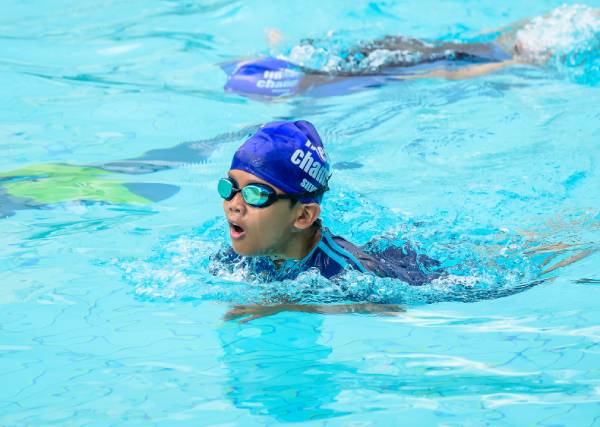
Life gets busy. Work deadlines pile up, school schedules change, holidays come around, and suddenly a regular swimming routine disappears for a few weeks. Many swimmers assume that a short break will not make much difference, but the body notices the change more quickly than most people expect.
Swimming is a full-body activity that trains the heart, lungs, muscles, and even coordination. When that movement stops, the body gradually begins to adjust to the lower activity level. The changes are not dramatic overnight, but they can become noticeable after just a few weeks.
Understanding what happens during a break can help swimmers get back into the water with the right expectations and motivation.
Your Cardiovascular Fitness Starts to Dip
Swimming is well known for improving cardiovascular health. Every lap strengthens the heart and trains the lungs to deliver oxygen more efficiently. When you stop swimming for several weeks, the cardiovascular system begins to lose some of those gains.
The body adapts to activity levels. If you swim regularly, your heart becomes more efficient at pumping blood, and your breathing becomes more controlled during exercise. When swimming pauses, the body no longer needs to maintain that same level of efficiency.
After a few weeks away from the pool, swimmers may notice:
- Getting out of breath faster
- Needing longer rest between laps
- Feeling slightly more tired during exercise
This does not mean fitness is gone completely. It simply means the body has started to shift back towards its baseline activity level.
For people attending adult swimming lessons, this is something instructors often remind students about. Consistency helps the body maintain cardiovascular conditioning, while long breaks can slow down progress.
Muscle Memory Fades Faster Than You Think
Swimming uses multiple muscle groups at the same time. The shoulders, back, core, and legs all work together to move through the water smoothly. Over time, swimmers build both strength and coordination.
When swimming stops, two things begin to happen.
First, muscle endurance decreases slightly. The muscles are no longer being challenged in the same way, so their stamina drops. Second, the body’s rhythm and coordination can feel less natural.
Returning swimmers often notice:
- Arms feeling heavier during strokes
- Kicks feeling weaker
- Timing between breathing and strokes becoming slightly off
The good news is that muscle memory tends to return quickly once swimming resumes. The body remembers movement patterns even after a break.
This is why many instructors encourage students to stay consistent with swimming, even if it is just one session a week.
Your Shoulder and Core Strength May Reduce
Swimming places significant demands on the shoulders and core muscles. These areas stabilise the body and help generate forward movement.
Without regular swimming:
- Shoulder endurance may decline
- Core engagement becomes weaker
- Posture during strokes may feel less stable
This can be particularly noticeable for swimmers who previously trained several times a week.
A break from the water can also make the shoulders feel tighter. Swimming encourages a wide range of motion, and without that regular movement, flexibility can decrease slightly.
The first session back often feels stiff or awkward, especially during longer sets.
Technique Can Feel Less Natural
Swimming is a technical sport. Good swimmers rely on precise movements, body position, breathing rhythm, and timing.
After a few weeks away, swimmers sometimes feel as though they have “lost their feel for the water”.
Common experiences include:
- Struggling to maintain streamlined body position
- Breathing at the wrong moment during strokes
- Losing rhythm in freestyle or breaststroke
These changes happen because swimming relies heavily on neuromuscular coordination. The brain and muscles work together to maintain smooth movements. Without practice, that connection becomes slightly less sharp.
Students attending children’s swimming lessons sometimes experience this after school holidays or exam periods when lessons pause. A child who previously swam confidently may need a few sessions to regain their rhythm.
Fortunately, technique usually returns quickly once regular practice resumes.
Your Endurance Feels Lower
One of the most noticeable effects of taking a break from swimming is reduced endurance.
A swimmer who once completed 20 or 30 laps comfortably might suddenly feel tired after half that amount. This happens because the body’s aerobic conditioning has dropped slightly.
Swimming endurance depends on several factors:
- Heart and lung capacity
- Muscle endurance
- Energy efficiency during strokes
When these systems are not used regularly, they gradually adapt to the lower workload.
The first few sessions back may feel surprisingly difficult. Many swimmers feel frustrated when they cannot perform at their previous level right away.
This is completely normal.
With consistent practice, endurance usually returns within a few weeks.
Water Confidence Can Drop Slightly
For newer swimmers, taking a break from swimming can also affect confidence in the water.
Swimming confidence builds through repetition. The more time someone spends in the pool, the more comfortable they feel with breathing, floating, and moving through the water.
A few weeks away can make the water feel unfamiliar again, especially for beginners.
This is often seen among students who pause their lessons for travel or school commitments. When they return, they may need a little time to rebuild their comfort level.
However, once swimmers complete a few sessions, the familiar feeling of the water typically returns quickly.
Mental Benefits May Decrease Too
Swimming does more than just strengthen the body. Many people swim for the mental benefits as well.
Regular swimming can help reduce stress, improve mood, and provide a sense of calm. The rhythm of strokes and breathing often creates a relaxing, almost meditative experience.
When swimming stops, some people notice:
- Higher stress levels
- Reduced energy
- Less motivation to exercise
This is one reason why many swimmers describe the pool as their “reset button”. The combination of movement, water, and focused breathing creates a unique mental break from daily life.
Taking time away from swimming can sometimes highlight just how important that routine was.
Getting Back Into Swimming Safely
The most important thing to remember after a break is not to rush back into full intensity.
Trying to swim at the same level immediately can lead to fatigue or shoulder strain. Instead, swimmers should ease back into their routine gradually.
A good approach includes:
Start with shorter sessions
Focus on comfortable distances rather than pushing for long workouts.
Prioritise technique
Spend time refining strokes before increasing speed or intensity.
Include rest intervals
Allow the body time to recover between sets.
Stay patient with progress
Fitness and coordination will return with consistent practice.
Most swimmers find that their rhythm and endurance return faster than expected once they are back in the water regularly.
A Short Break Does Not Undo Everything
Taking a few weeks off swimming can affect fitness, endurance, and coordination, but the changes are usually temporary. The body is incredibly adaptable, and many of the benefits gained through swimming return quickly once training resumes.
Rather than seeing a break as a setback, it can be helpful to view it as a reset. Returning to the pool often renews motivation and appreciation for the sport.
If you or your child are looking to build a consistent and enjoyable swimming routine, Fitness Champs offers structured programmes designed to help swimmers develop confidence, technique, and long-term fitness in the water.