

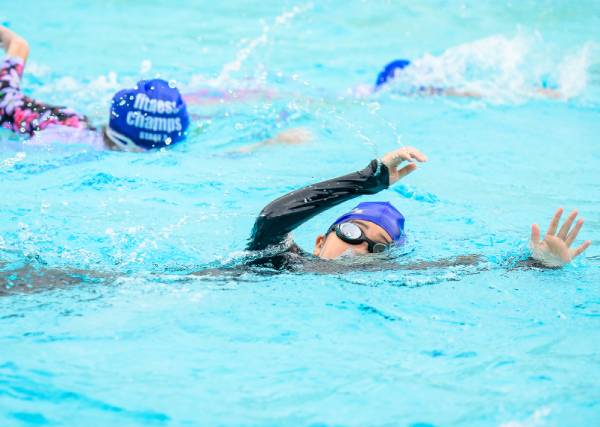
Freestyle is one of the most important swimming strokes to learn and refine. Known for its speed and efficiency, it forms the foundation for stronger overall swimming technique. Whether a child is building on existing skills or working to improve their form, mastering freestyle can boost confidence in the water and make swimming far more enjoyable.
Many parents enrol their children in private swimming classes for children because freestyle requires coordination between breathing, arm movement, kicking, and body position. Learning these elements step by step makes the process much easier and helps children develop good habits from the start.
If you want to help a child build strong freestyle skills, understanding the fundamentals is the best place to begin.
Step 1: Start With Comfortable Body Position
Freestyle begins with proper body alignment in the water. A streamlined body position reduces resistance and allows swimmers to move forward smoothly.
Children should aim to keep their bodies as straight as possible, with their face looking slightly down into the water rather than forward. When the head lifts too high, the hips and legs tend to sink, which creates drag and slows the swimmer down.
A good way to practise this is through simple floating exercises:
- Floating face-down while kicking gently
- Practising glide positions after pushing off the wall
- Keeping the body long and relaxed
When children learn to feel balanced in the water, everything else becomes easier.
Step 2: Build a Steady Flutter Kick
The flutter kick is the engine that keeps freestyle moving. It provides stability and contributes to forward momentum.
Many beginners kick too hard or bend their knees excessively. A strong freestyle kick should be small, quick, and driven mainly from the hips.
Helpful coaching tips include:
- Keep legs long and relaxed
- Point the toes naturally
- Kick in a narrow, steady motion
- Avoid large splashes above the water
Practising kicks with a kickboard can help children focus on leg movement without worrying about arm coordination.
Consistency matters more than power. A relaxed, continuous kick helps swimmers conserve energy while maintaining speed.
Step 3: Learn Proper Arm Movement
Freestyle arm movement is sometimes called the “catch, pull, and recovery” sequence. Each phase works together to move the swimmer forward.
1. Entry
The hand enters the water just in front of the head, fingertips first.
2. Catch and pull
The arm pulls backward through the water, pushing water behind the body to generate forward movement.
3. Recovery
The arm exits the water and swings forward in a relaxed motion before entering again.
Children often benefit from breaking these movements into drills before combining them into a full stroke.
For example:
- Single-arm freestyle drills
- Catch-up drills
- Slow-motion arm cycles
These exercises help swimmers understand the mechanics of the stroke without rushing.
Step 4: Coordinate Breathing
Breathing is one of the biggest challenges for beginners learning freestyle. Many children either hold their breath too long or lift their heads completely out of the water.
The key is learning to rotate the body slightly rather than lifting the head straight up.
A simple breathing rhythm works well for beginners:
1. Face down and exhale gently underwater
2. Turn the head to the side as the arm recovers
3. Take a quick breath
4. Return the face to the water
Blowing bubbles while swimming can help children get comfortable with exhaling underwater.
With practice, breathing becomes a natural part of the stroke instead of something stressful.
Step 5: Put Everything Together
Once body position, kicking, arm movement, and breathing are familiar, swimmers can start combining all elements into a smooth freestyle stroke.
At this stage, the focus shifts toward rhythm and coordination.
Encourage children to:
- Keep their movements relaxed
- Maintain steady breathing patterns
- Focus on long, smooth strokes instead of speed
Swimming longer distances slowly can help them develop endurance and confidence.
It is also a good time to correct common freestyle mistakes, such as crossing arms over the centre line or kicking too widely, before those habits become difficult to change later.
Step 6: Practise With Simple Drills
Drills help swimmers isolate specific skills while reinforcing proper technique.
Here are a few beginner-friendly freestyle drills:
Kickboard kicking
Helps children develop leg strength and rhythm.
Side kicking drill
Teaches body rotation and balance.
Catch-up drill
Encourages longer strokes and better timing between arms.
Fingertip drag drill
Improves relaxed arm recovery above the water.
These drills are commonly used by swim instructors because they make complex movements easier to understand.
Short, focused practice sessions often produce better results than long, tiring workouts.
Step 7: Focus on Consistency and Confidence
Progress in swimming rarely happens overnight. Children may take time to coordinate their breathing, kicking, and arm movements smoothly.
What matters most is consistency.
Regular practice allows children to:
- Develop muscle memory
- Improve endurance
- Feel more relaxed in the water
- Gain confidence in their abilities
Encouragement also plays a big role. Celebrating small improvements, such as smoother breathing or stronger kicks, helps children stay motivated.
Swimming should feel rewarding rather than frustrating.
How Structured Lessons Help Young Swimmers
Learning freestyle independently can be challenging, especially for younger children who are still building coordination and water confidence.
Structured lessons provide several benefits:
- Personalised guidance from qualified instructors
- Immediate correction of technique errors
- Safe, supervised practice environments
- Gradual progression based on each child’s ability
Children often improve faster when lessons are tailored to their pace and comfort level.
One-on-one instruction also allows coaches to focus on individual challenges, whether that is breathing timing, kicking strength, or body balance.
Over time, this structured support helps swimmers develop stronger technique and a genuine love for the water.
Conclusion
Freestyle may look simple, but it relies on several coordinated skills working together. Body position, kicking, arm movement, breathing, and rhythm all play a part in creating smooth, efficient strokes.
Breaking the learning process into small, manageable steps helps children build confidence while developing proper technique. With consistent practice and patient guidance, freestyle becomes not just a skill but an enjoyable way to stay active and healthy.
If your child is ready to improve their swimming technique or learn freestyle with greater confidence, Fitness Champs offers structured coaching designed to support young swimmers at every stage. Our experienced instructors create a positive environment where children can build strong fundamentals, refine their strokes, and enjoy every moment spent in the water.