

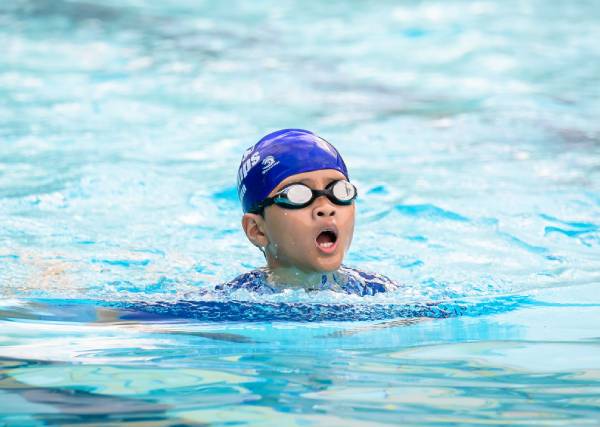
Learning to swim can feel equal parts exciting and nerve-wracking, especially when you are tackling a stroke as technical as breaststroke. It looks elegant when done well, but there is quite a bit going on beneath the surface. The good news? Once you break it down into simple steps, it all starts to make sense rather quickly.
Whether you are an adult picking up swimming for the first time, a parent signing your little one up for swimming classes for children, or someone returning to the pool after years away, this guide is here to make breaststroke feel far less intimidating.
What Makes Breaststroke Different?
Unlike freestyle, where your arms and legs move alternately, breaststroke is a symmetrical stroke. Both arms move together, and both legs kick at the same time. This gives it that smooth, almost frog-like rhythm that you have probably seen at your local swimming complex.
It is also the slowest of the four competitive strokes, which makes it a fantastic starting point for beginners. You have more time to think about your movements, and you can keep your head above water more easily while you are finding your feet (or fins, as it were).
The Body Position
Before anything else, your body position sets the foundation. You want to be as horizontal as possible in the water, with your body close to the surface. A common mistake beginners make is allowing their hips to sink too low, which creates drag and makes the whole stroke feel like hard work.
Keep your core gently engaged, your head in a neutral position, and your eyes looking slightly downward when your face is in the water. Think long and streamlined, like an arrow.
The Arm Movement
The arm action in breaststroke follows a simple pull, sweep, and recovery pattern:
- The pull: Start with your arms extended in front of you, palms facing outward at a slight downward angle. Press your hands out and down in a wide arc, as though you are parting a curtain.
- The sweep: Bring your hands inward towards your chest, elbows tucking in close to your body. This is where a lot of your propulsion comes from.
- The recovery: Shoot your arms forward again into that streamlined position, hands together in a prayer-like shape.
The key is to keep the movements smooth and continuous. There should be a brief glide phase at the end of each stroke where you hold your streamlined position for just a moment. Many beginners skip this glide entirely, which makes the stroke choppy and tiring.
The Leg Kick
The breaststroke kick is often the trickiest part to get right, and it is worth spending some extra time on. It is sometimes called the frog kick because of how it looks from above.
Here is the sequence:
1. Draw your heels up towards your bottom, keeping your knees roughly hip-width apart (not too wide).
2. Flex your feet outward, turning your toes out so the soles of your feet face backwards.
3. Drive your legs out and around in a wide circular sweep, finishing with your feet together and legs straight.
The power comes from that final phase where you push the water back and behind you. If your kick feels weak, chances are you are not flexing your feet enough before the drive, or your knees are drifting too far apart.
A helpful drill is to practise the kick with a float in front of you. This isolates the leg movement so you can focus entirely on the feel of it without worrying about your arms at the same time.
Breathing in Breaststroke
One of the advantages of breaststroke is that breathing feels fairly natural once you get the timing down. As you sweep your arms inward and your body rises slightly, lift your chin just above the water to take a breath. Then return your face to the water as your arms shoot forward.
Try to exhale slowly and steadily through your nose or mouth while your face is in the water, rather than holding your breath. This keeps you relaxed and makes each breath feel less rushed.
Putting It All Together
Coordination is where most beginners find breaststroke tricky. The arms and legs work in an alternating rhythm, not simultaneously. A simple way to think about it:
- Pull with your arms, tuck your legs.
- Shoot your arms forward, kick with your legs.
Say it to yourself in your head as you swim: pull, kick, glide. That little mental cue works wonders.
Working on improving your breaststroke is a process that takes patience, but consistent practice makes a real difference over time.
Common Mistakes to Avoid
Even with the best intentions, a few habits tend to crop up regularly with beginners:
- Lifting the head too high to breathe, which pushes the hips downward and disrupts body position.
- Kicking the feet together too early, before completing the circular sweep, which cuts power.
- Rushing the glide phase, which makes the stroke inefficient and exhausting.
- Letting the elbows drop too wide during the pull, which reduces propulsion.
Being aware of these from the start puts you well ahead of the curve.
A Final Note on Progress
Swimming is one of those skills that rewards patience. Breaststroke especially has a way of suddenly clicking after what feels like ages of not quite getting it. One session it feels like a battle, and the next it starts to flow.
Do not be discouraged if it takes a few sessions to feel comfortable. Every swimmer, regardless of age or background, goes through that learning curve.
Ready to Get in the Water?
If you are looking for expert guidance in a fun, supportive environment, Fitness Champs is a brilliant place to start. If you are searching for structured lessons for yourself or swimming classes for children who are just finding their confidence in the pool, Fitness Champs offers professional coaching tailored to every level. Get in touch with us today and take that first stroke towards something great.