

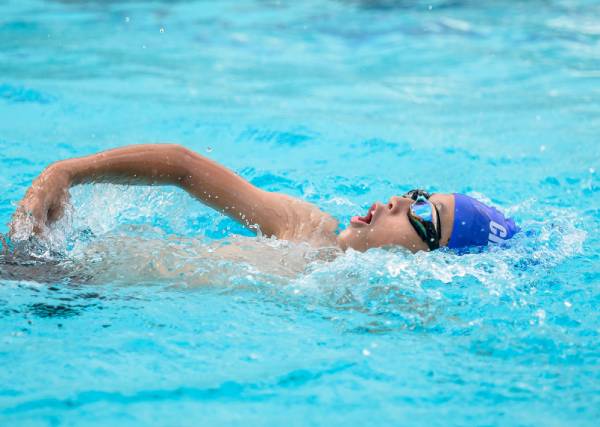
Swimming is not just about strength and endurance, it’s about rhythm, control and confidence. Whether you’re new to the pool or progressing through structured training such as the SwimSafer programme, mastering breathing techniques can transform your performance and your enjoyment of the sport. Confident swimmers don’t just move through water; they breathe with purpose.
Read on as we explore effective breathing strategies, explain why they matter, and show how you can build assurance with every lap.
Why Breathing Matters in Swimming
Most swimmers understand that breathing is vital, not only for oxygen supply but also for endurance and technique. However, many underestimate its power in shaping confidence. When you control your breath, you control your pace, reduce anxiety and create a smoother, more efficient stroke. Poor breathing patterns can lead to fatigue, tense shoulders and a feeling of panic, especially for beginners. By contrast, calm and consistent breathing keeps your body relaxed and your mind focused.
Breathing is also closely linked to buoyancy and body position. Exhaling underwater, then inhaling confidently at the surface, helps you maintain balance and glide through the water with less resistance. With practice, breathing becomes automatic, freeing you to concentrate on form and speed – essential ingredients for confident swimming.
Understanding The Basics Of Breathing
Before exploring advanced techniques, it’s important to master the fundamentals:
- Exhale Underwater: Letting air out continuously while your face is submerged prevents you from rushing to inhale when you turn your head.
- Inhale Smoothly At The Surface: Lift your head just enough to take in air; avoid lifting your entire body.
- Synchronise With Your Stroke: Breathing should support your movement, not interrupt it.
Learning these basics builds a strong foundation. You can practise them during drills, warm-ups or even in shallow water until they become second nature.
Bilateral Breathing For Balance And Confidence
Bilateral breathing means breathing on both sides, often every three strokes in freestyle. This technique offers several benefits:
- Symmetry: It encourages even development on both sides of the body.
- Balance: You remain centred in the water, reducing yawing and drag.
- Flexibility: It prepares you for changing conditions like waves or currents.
Initially, breathing on both sides may feel awkward. However, with practice, it boosts your awareness and control, enhancing confidence. Start with short intervals. For instance, take a breath on every third stroke for 25 metres, then rest and repeat. Over time, bilateral breathing becomes a comfortable and natural part of your swim.
Rhythmic Breathing: Finding Your Tempo
Great swimmers often talk about rhythm. Your breath is the metronome that sets the pace. Rhythmic breathing means coordinating your inhales and exhales with your arm strokes and kicks. When swimming freestyle, for example, you might breathe every two or three strokes. The key is consistency.
To find your rhythm:
1. Count Your Strokes: Notice how many strokes you take between breaths.
2. Pay Attention to Kick Timing: Your kick supports your movement and can help regulate breath.
3. Stay Relaxed: Tension disrupts rhythm; focus on long, smooth exhalations.
Once you establish a breathing rhythm, the water feels less intimidating and confidence grows naturally. You begin to trust your body to move and breathe in harmony.
Bubble Breathing: A Foundation Drill
Bubble breathing is a simple drill that helps beginners get comfortable with exhaling underwater. In the pool:
- Stand in shallow water, face submerged.
- Breathe in through your mouth at the surface.
- Blow bubbles out through your nose or your nose and mouth underwater.
This technique teaches you to release air steadily, which prevents the panic rush for breath. Practise for just a few minutes each session, and you’ll notice a big difference in your confidence and ability to stay calm in deeper water.
The Role Of Breath Control In Different Strokes
Each swimming stroke demands a slightly different breathing approach:
- Freestyle: Turn your head to the side as your arm recovers; exhale underwater.
- Backstroke: Keep your face up and exhale in a steady stream; inhale naturally.
- Breaststroke and Butterfly: Inhale as your head surfaces; exhale as it re-enters the water.
Learning stroke-specific breathing prevents rushed or irregular breaths, helping you maintain momentum and reduce fatigue. Confidence comes from knowing exactly when and how to breathe, even in unfamiliar or tiring conditions.
Breathing And Mental Focus
Swimming can be as much a mental challenge as a physical one. Breath control influences your state of mind. When you breathe deliberately, your nervous system shifts from “fight or flight” to calm and composed. This is especially useful during longer sets, warm-ups or competitions.
Try a simple mindfulness routine before your swim:
- Close your eyes beside the pool.
- Inhale for a count of four.
- Hold for one count.
- Exhale for a count of six.
This slows your heart rate, clears distraction and mentally prepares you for the water. Swimmers who incorporate mindful breathing often report less anxiety and a stronger sense of control.
How Coaches Reinforce Good Breathing
Swim coaches place a high priority on breathing technique because it affects every aspect of swimming. Whether you’re learning in a group or training individually, focused feedback helps you adjust posture, timing and exhalation.
At Fitness Champs, for instance, swim instruction emphasises breathing patterns alongside stroke development. Techniques are introduced progressively, ensuring swimmers feel comfortable and supported at every stage. With regular practice and expert guidance, breathing becomes effortless and confidence follows swiftly.
Common Breathing Mistakes And How To Avoid Them
Even experienced swimmers can fall into bad habits. Here’s how to sidestep common pitfalls:
- Holding Your Breath: This creates tension and reduces oxygen supply. Instead, exhale continuously underwater.
- Lifting Your Head Too High: This disrupts body alignment and form. Aim to turn your head just enough to breathe.
- Breathing Too Often: Rapid, shallow breaths can lead to fatigue. Breathe deliberately and sparingly.
Awareness is the first step to improvement. Record yourself swimming, ask a friend or coach to observe, and make small adjustments each session.
Practising Breathing Outside The Pool
You don’t need water to strengthen your breathing. Dryland training and exercises like diaphragmatic breathing, yoga and controlled exhalations can improve lung capacity and breath awareness. These practices not only enhance swimming but also benefit overall fitness and wellbeing.
For example, diaphragmatic breathing involves:
- Placing one hand on your chest and one on your belly.
- Inhaling deeply through your nose, focusing on the belly rising.
- Exhaling slowly through pursed lips.
This trains your diaphragm and increases lung efficiency — valuable skills for confident swimming.
Building Confidence Step By Step
Confidence in the pool isn’t built overnight. It grows from repetition, understanding and positive experiences. Breathing techniques play a central role because they impact comfort, endurance and mental clarity. Start small. Celebrate progress. With every lesson and practice session, your breath becomes a source of strength rather than a limitation.
Conclusion: Breathe Well, Swim Strong
Breathing is the heartbeat of swimming, and mastering it unlocks both performance and confidence. From rhythmic patterns to mindful preparation, every technique covered here contributes to a stronger, more assured swimmer. Whether you’re just starting out or polishing your strokes, focused breathing practice will help you stay calm, maintain momentum and enjoy your time in the water.
For structured guidance and supportive coaching, consider exploring programmes like the SwimSafer programme designed to enhance both skill and confidence. Fitness Champs offers expert instruction that integrates breathing techniques with stroke development, helping swimmers of all levels thrive.